When Faith Has to Move: The Choices That Change the Direction of a Life


Chapter 1: The Moment You Realize Waiting Is Not the Same as Changing
You can sit in the same chair for months asking God to change your life while quietly protecting every habit that keeps your life the same. The alarm rings and you hit snooze again. The phone lights up and you return to the same conversation that always leaves you drained. The unopened Bible stays on the table. The application remains unfinished. The apology never gets sent. The walk never gets taken. The decision you know you need to make gets pushed to another Monday. Nothing looks dramatic from the outside, but inside you know something is not moving. You are tired of the result, but you have not yet changed the pattern producing it.
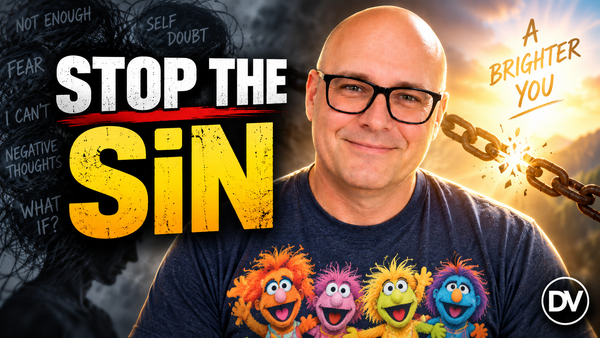
That is why this subject matters more than another burst of motivation. The deeper message in the faith-based video about changing your life by changing what you do is not that you can control everything, because you cannot. It is that there are moments when God gives you enough light for the next step, and the next step is yours to take. The same truth connects naturally with learning how to move forward when old patterns keep pulling you back
, because real change often begins before you feel ready, confident, healed, or certain.
Most of us want change to arrive before discomfort. We want the new life first and the new habits second. We want peace before boundaries, confidence before action, clarity before movement, strength before discipline, and proof before trust. Jesus often worked in the opposite direction. He called people to move while they were still unsure, and He asked them to obey before they could see the whole outcome. He did not hand the disciples a complete map of their future before saying, “Follow me.” He gave them a direction and invited them to take the next step.
Imagine an ordinary morning when nothing is technically wrong, but everything feels stuck. You stand in the kitchen with a cup of coffee that has already gone lukewarm. There is a bill on the counter you keep meaning to deal with. Your inbox has messages you have avoided. You know you need to make a change at work, in a relationship, in your health, in your spending, or in the way you use your time. You have prayed about it. You have thought about it. You may have even talked about it with people you trust. Yet another day has started, and the old routine is already trying to carry you through it.
That is one of the hardest truths about change: sometimes the life we say we want is being blocked by a routine we are unwilling to interrupt. Not every hardship works that way, of course. Some things happen to us that we never chose. Illness can arrive without permission. Jobs can disappear. People can leave. Grief can rearrange an entire home. A family member can need care that changes every plan. Someone can betray your trust even when you did everything you knew to do. Christianity does not teach that every painful circumstance is the result of a poor decision.
Jesus Himself rejected simplistic thinking about suffering, but there is another truth we also need to face. When God has shown us something we can change, refusing to change it has consequences. There is a difference between suffering through what you cannot control and staying trapped in a pattern you have been given the opportunity to confront.
This is where the story of Jesus calling His first disciples becomes more than a familiar Sunday school scene. In Matthew 4, Jesus sees Peter and Andrew casting a net into the sea. Fishing was not a hobby. It was their work, their routine, their familiar world. Jesus says, “Follow me, and I will make you fishers of men.” Matthew tells us they immediately left their nets and followed Him. We can read that verse so quickly because we already know the story, but the small detail is the whole point: they left their nets.
They did not stand there asking Jesus to bless the same morning while refusing to move. They did not ask Him to explain every future hardship. They did not wait until following Him felt safe. They did not demand a guarantee that everything ahead would work out the way they hoped. They recognized that the invitation required movement, and movement meant loosening their grip on something familiar.
The net is what makes the scene so powerful. A net is useful. A net feeds people. A net represents skill, work, familiarity, responsibility, and identity. There was nothing inherently sinful about fishing. Jesus was not rescuing Peter and Andrew from some obvious evil when He called them. He was calling them from what was known into what was next, and that distinction matters because sometimes what keeps us stuck is not wickedness. Sometimes it is familiarity.
You can become loyal to a version of your life simply because you know how to survive there. You know how the disappointing relationship works. You know how the exhausting schedule works. You know how the cycle of overspending and worrying works. You know how staying quiet in a room where you should speak works. You know how putting off the dream works. You know how telling yourself, “I will start when things calm down,” works. It may be painful, but it is familiar, and familiarity can feel safer than possibility.
Jesus has a way of disturbing that false safety without always removing every risk. Sometimes He simply makes the next step clear. That is one reason change can feel spiritual long before it feels comfortable. You may sense that something has to be different, but you cannot yet see how everything will fit together. You know you need to forgive, but you are still hurt. You know you need to set a boundary, but you are afraid someone will be angry. You know you need to stop spending money you do not have, but you hate the feeling of saying no. You know you need to apply for a different job, but rejection scares you.
This is where many people confuse conviction with condemnation. Condemnation tells you that your mistakes define you and that nothing will ever be different. Conviction tells the truth about what is wrong while still pointing toward a way forward. Jesus did not walk up to Peter and Andrew to shame them for fishing. He invited them forward, and that difference matters because godly change is not built on hating yourself. It is built on believing that obedience can take you somewhere your current pattern cannot.
Think about how often we reverse that order. We tell ourselves we need to become a different person before we can make a different choice. We say we will start when we are more disciplined, speak when we are less afraid, exercise when we feel motivated, pray when we feel closer to God, or begin when we know it will work. But often the choice comes first. Discipline grows through practicing discipline. Courage grows when you act while some fear is still present. Patience develops in moments that test you. A prayer life grows because you pray even on days when you do not feel especially spiritual.
Jesus understood that transformation is not merely a change in what you think. It eventually becomes visible in what you do. Consider the man Jesus encountered near the pool of Bethesda in John 5. The man had been unable to walk for many years, and Jesus asked him a question that can sound almost strange at first: “Do you want to get well?” Of course he did. Why else would he be there? Yet Jesus was bringing the man to the point where desire and response had to meet.
After the man explained his situation, Jesus told him to get up, pick up his mat, and walk. There is something startling about that command because Jesus told a man who could not walk to get up. The command required the man to act in the direction of the miracle. He still needed Jesus. He still needed power beyond himself. The story is not about self-help replacing God. It is about what happens when grace meets obedience.
That is the perspective shift many of us need. You are not being asked to transform yourself without God. You are being asked to stop using your need for God as a reason to avoid the step He is already asking you to take. Those ideas can sound similar when you are tired, but they are not the same. Dependence on God does not mean passivity. Trust can be deeply active.
Suppose someone has been praying for months about financial stress. They are scared every time they open the banking app, and the credit card balance keeps growing. They ask God for provision, and that prayer matters. But one evening they finally sit at the kitchen table, open the statements, cancel a few expenses, make a simple budget, and admit they have been spending money to soothe stress. That hour at the kitchen table does not feel dramatic. Nobody posts a celebration online. Yet it may be part of the answer to the prayer.
Or imagine someone who keeps asking God for peace about a relationship that is constantly producing confusion. The phone sits beside them at midnight. They have reread the same message six times, trying to figure out what the other person “really meant.” They know the pattern because every time they let this person back into the center of their life, they lose sleep, lose focus, and lose peace. Change may begin with something painfully ordinary: putting the phone down, refusing to restart the same argument, and accepting that love does not require unlimited access.
Those decisions do not mean God is absent. Sometimes that is exactly where God is working. We often imagine divine intervention as God changing everything around us, but sometimes His work becomes visible in what we are finally willing to do. That is harder to celebrate because it puts responsibility back into our hands. We would rather ask for a sign than make a decision. We would rather wait for perfect clarity than take one faithful step with the clarity we already have.
Jesus did not build disciples by teaching them to remain motionless until uncertainty disappeared. He trained people by calling them into motion. When Peter stepped out of the boat in Matthew 14, the water did not become less like water first. The storm did not disappear. Peter had a word from Jesus: “Come.” Then he had a decision. That is the shape of so much spiritual growth: God gives enough direction for obedience, but not always enough information to remove every fear.
Peter eventually became afraid and started to sink, which keeps the story honest. Obedience does not mean you will never wobble. Taking the right step does not mean your emotions instantly cooperate. You can make a good decision and still feel nervous. You can set the right boundary and still miss the person. You can leave the wrong environment and still wonder whether you made a mistake. You can start a new habit and still have a bad day. Jesus did not let Peter sink because Peter struggled after stepping out. He reached for him, which should give you room to begin without demanding perfection from yourself.
Maybe you have tried before. You started reading Scripture every morning and stopped after nine days. You cleaned up your spending for a month and then slipped. You began walking after dinner and a stressful week knocked you out of the routine. You said you were done going back to a destructive relationship, and then loneliness pulled you back in. You tried to become more patient with your family and lost your temper before breakfast. Failure can make the old pattern feel permanent, but a stumble is not a prophecy about your future.
Peter’s sinking did not erase the fact that he stepped out of the boat. One bad day does not have to become your identity, and one setback does not have to become a permanent return to the old life. The question is not whether you have ever failed to change. The question is whether you are willing to take the next right step now.
That step may be so small nobody else would consider it important. Maybe you put your shoes by the door tonight because you are going to walk in the morning. Maybe you move the Bible from the shelf to the chair where you drink coffee. Maybe you delete the shopping app that has become your stress response, schedule the appointment you keep avoiding, or finally send the application. Maybe you tell someone, calmly and clearly, what you will no longer accept. None of those actions can control the future, but they can change your direction.
Direction matters more than drama. A small change in direction, held over time, can carry a person somewhere entirely different. Human life often works that way. The choice that looks unimpressive today can become a different reality after months of faithfulness. That is why the idea that changing your life requires changing how you live is not shallow when it is understood correctly. It does not mean pretending circumstances are easy or blaming yourself for everything. It means you stop waiting for the future to become different while protecting the choices that guarantee more of the same.
Jesus calls people forward. He calls us away from bitterness toward forgiveness, away from fear toward trust, away from selfishness toward service, away from empty religion toward relationship with God, and away from the illusion that hearing truth is the same as living it. At the end of the Sermon on the Mount, Jesus tells the story of two builders. Both hear His words. The difference is that one puts them into practice. That is where the foundation changes.
You can know exactly what needs to change and still build on sand if you never act on what you know. That is uncomfortable, but it is also hopeful, because if some part of your life is being shaped by a pattern you can change, then you are not powerless in that area. You may need help. You may need prayer, counseling, medical care, wise advice, accountability, training, patience, or time. Depending on what you are facing, you may need several of those things. Needing help does not remove your agency. It can become part of how you use it wisely.
The person standing in the kitchen with the cold coffee does not have to solve the next ten years before breakfast. They only need to tell the truth about today. What is the pattern? What is it producing? What would obedience look like next? Those questions are smaller than asking how to reinvent your entire life, but they are also cleaner, more honest, and often far more powerful.
Jesus rarely gave people control over the whole road. He gave them enough truth for the next faithful movement. His invitations were active because faith is meant to become visible in a life. There will always be things you cannot change, and there will be seasons when the most faithful thing you can do is endure something you cannot fix. But do not confuse what you cannot control with what you refuse to change. That distinction can alter the direction of a life.
Tonight, when the house is quiet and the phone is finally face down on the table, you may already know the thing that needs to be different. You may have known for a while. You do not need to shame yourself for taking time to get here, but you also do not have to keep pretending that another week of the same choices will somehow create a different life. Jesus is not standing over you demanding that you repair everything by morning. He is calling you forward, and sometimes the most spiritual thing you can do is stop asking whether your whole life can change and start asking whether your next decision can.
Chapter 2: You Are Not Stuck With the Person You Have Practiced Becoming
The meeting ends, everyone closes their laptops, and you stay in your chair for a few extra seconds because you already know what is about to happen. Someone else will forget a deadline, another person will leave a problem half-finished, and somehow you will be the one who picks it up. You tell yourself you are just being responsible. You have always been the dependable one. You are the person who fixes things, carries extra weight, says yes when you are already tired, and makes sure nobody else has to feel uncomfortable. By the time you get home, your patience is gone, your mind is still at work, and the people you love get whatever energy is left. You keep saying you want a different life, but part of you is still protecting an identity that keeps rebuilding the same one.
That is where change becomes more difficult than simply changing a schedule. Sometimes the habit is connected to the way you see yourself. You do not just say yes too often; you believe being needed is what makes you valuable. You do not just avoid hard conversations; you have started calling yourself “the kind of person who hates conflict.” You do not merely procrastinate; you say, “I have always been this way.” You do not simply struggle with fear; you begin to speak as though fear is part of your permanent personality. Before long, a repeated behavior becomes a story, and the story becomes an identity.
Jesus often interrupted those stories.
When He called Matthew, He did not meet a man standing at the edge of a beautiful new beginning. He met him sitting at a tax collector’s booth. That detail matters. Matthew was not simply having a bad day. He occupied a role people knew him by. Tax collectors were socially despised, and the job carried assumptions about loyalty, money, and character. People could look at Matthew and decide they already knew what kind of man he was.
Then Jesus walked up and said, “Follow me.”
Matthew got up and followed Him.
The power of that scene is easy to miss because the verse is short. Jesus did not begin with a long argument about Matthew’s reputation. He did not ask the crowd whether they approved of giving him a new future. He did not require Matthew to spend several years proving that he could become someone different before inviting him into a different life. Jesus called him while he was still sitting in the place associated with his old identity.
There are moments when God’s invitation confronts the sentence you have been repeating about yourself.
“I am just bad with money.”
“I am not disciplined.”
“I always choose the wrong people.”
“I am too old to start over.”
“I am not good enough to do that.”
“I am the one everybody depends on.”
“I am just an angry person.”
“I never finish anything.”
Some of those statements may describe a pattern. That does not make them a permanent definition.
This distinction matters because people often try to change behavior while leaving identity untouched. They attempt to become more disciplined while continuing to tell themselves they are naturally undisciplined. They try to create boundaries while believing their value depends on keeping everybody happy. They try to speak more confidently while repeating, internally, that they are the kind of person nobody listens to. Then when the new behavior feels uncomfortable, the old identity says, “See? This is not who you are.”
But discomfort is not proof that the new direction is wrong. Sometimes discomfort is simply what it feels like when an old identity is losing control.
Imagine a father who has spent years coming home from work mentally exhausted. He loves his family, but his habit is to walk through the door, drop into a chair, scroll through his phone, and tell himself he deserves to be left alone because he has carried everyone else all day. His children have learned not to interrupt him for the first hour. His wife has stopped expecting much conversation in the evening. He does not think of himself as distant. He thinks of himself as tired.
Then one afternoon, during the drive home, he realizes something painful: his children are growing up inside his routine. He may have good reasons for being exhausted, but good reasons do not erase the result. He cannot control every demand at work, but he can decide what happens when he walks through his front door.
That realization can feel like criticism if he hears it through shame. But it can feel like hope if he understands what Jesus does with people. Jesus does not expose patterns merely to make people feel worse about themselves. He brings truth into the room because truth creates the possibility of a different future.
The father may not become a completely different man that night. He may still be tired. The workday may still have been difficult. But he can leave the phone in the bedroom for thirty minutes and sit at the table with his family. He can ask his child what happened at school and stay present long enough to hear the answer. That small decision does not erase years of routine, but it interrupts the identity that says, “This is simply how I am after work.”
You have probably experienced a version of this. There are behaviors you once thought were fixed parts of your personality that changed when life demanded something different. A person who says, “I am terrible in the morning,” somehow gets out of bed at 4:30 when a newborn needs feeding. Someone who claims they cannot speak in front of people finds words when a family member needs defending. A person who says they are not organized becomes surprisingly organized when caring for an aging parent requires medication schedules, appointments, insurance calls, and paperwork.
Those moments reveal something important: we are often more capable of new behavior than our old stories admit.
Christian transformation goes deeper than positive thinking. Jesus does not ask you to invent flattering statements about yourself and repeat them until you feel powerful. He calls you into a new relationship with Him, and that relationship changes what gets the final word about who you are. Your past still happened. Your weaknesses remain real. Your mistakes do not disappear from history. But they are no longer the only evidence available when you ask what kind of person you can become.
Peter is another example. His story is full of moments that could have become permanent labels. He was impulsive. He spoke before thinking. He misunderstood Jesus. He made promises bigger than his courage could support. On the night Jesus was arrested, Peter denied even knowing Him.
If Peter had built his identity around his worst night, his future would have ended there.
But Jesus did not meet Peter after the resurrection and say, “You are the man who denied Me, and that is what you will always be.” In John 21, Jesus restored him and gave him responsibility. “Feed my sheep.” Peter’s failure was real, but Jesus refused to treat it as Peter’s final definition.
That is one of the reasons shame is such a poor engine for lasting change. Shame keeps pointing backward and saying, “This is who you are.” Jesus can point directly at what went wrong without chaining a person to it forever. Conviction says, “That was wrong; come this way.” Shame says, “You are wrong; stay there.”
If you want a different life, you may need to stop using your history as a prediction.
Your history can teach you. It can warn you. It can humble you. It can reveal patterns that deserve serious attention. But history is not prophecy. The fact that you have quit before does not mean you must quit again. The fact that you have trusted the wrong person before does not mean you are incapable of learning discernment. The fact that you mishandled money five years ago does not require you to mishandle it next month. The fact that your family communicated through anger does not mean anger has to become the language of your home.
Sometimes the most faithful sentence you can say is, “That is what I have done, but it is not what I have to keep doing.”
Notice how different that is from pretending the past never happened. You are not rewriting history. You are refusing to worship it.
This becomes especially important when other people prefer the old version of you. Change can disturb relationships because every relationship develops expectations. If you have always been the person who says yes, someone may call your first healthy no selfish. If you have always absorbed disrespect quietly, your first boundary may be described as an attitude problem. If you have always rescued people from the consequences of their choices, they may accuse you of changing when you stop.
They will be right about one thing.
You are changing.
That does not automatically mean every new decision is wise, and it does not give you permission to become harsh, selfish, or dismissive. Christian growth should make us more loving, not less. But love is not the same thing as preserving every unhealthy expectation people have placed on you.
Jesus disappointed expectations constantly. Some people wanted Him to perform on demand. Some wanted Him to fit their political hopes. Some wanted Him to follow religious customs in the way they expected. Some wanted access to Him when He withdrew to pray. He loved people deeply, but He did not allow every expectation around Him to define His direction.
That matters when you have spent years confusing kindness with compliance.
Consider a woman caring for an elderly parent while also raising children and holding a job. Her phone rings throughout the day because everyone in the family has quietly decided she is the reliable one. Her siblings ask her to handle appointments because she “knows everything.” Her children need rides. Her manager needs one more favor. Her spouse assumes she will remember what everybody else forgot. She loves all of them, but she is becoming resentful.
She may pray for God to remove the resentment while continuing to agree to every request.
What if the answer begins with a different kind of faithfulness?
Maybe she tells a sibling, “I need you to take Mom to the appointment Thursday.” Maybe she puts one evening on the calendar when she is not available to solve anybody else’s problem. Maybe she stops apologizing for needing rest. That can feel selfish when a person has built her identity around being endlessly useful, but exhaustion is not always evidence of love. Sometimes exhaustion is evidence that nobody has been allowed to share the load.
Jesus Himself withdrew from crowds. He slept. He prayed alone. He moved on from places where people still wanted more from Him. If the Son of God did not treat every demand as an assignment, you do not have to either.
The deeper change is not merely learning to say no. It is learning that your value does not rise every time somebody needs you and fall every time somebody is disappointed with you.
That can take time because old identities are reinforced through repetition. You may have spent twenty years earning approval through usefulness. One boundary will not instantly silence the anxiety. Your stomach may tighten after you say no. You may replay the conversation. You may wonder whether you sounded rude. That emotional reaction does not mean the boundary was wrong. It may simply mean your nervous system has not caught up with your new decision yet.
The same thing happens when people begin living with greater discipline. A man who has avoided difficult tasks for years may feel almost physically uncomfortable sitting down to finish one. A woman who has spent every evening numbing stress with television may feel restless when she turns it off and sits quietly with God. Someone who has relied on impulse purchases for small bursts of relief may feel deprived when they start living within a budget.
We often misread that discomfort as evidence that change is not working.
Sometimes it is evidence that change is working exactly where it needs to.
The old pattern no longer gets to run automatically. You are becoming conscious of the moment where a choice happens. That moment can feel awkward because what used to be instinctive is now being challenged.
Jesus used the image of a narrow gate and a difficult road. Whatever else we understand from that teaching, it destroys the idea that the right path will always feel easiest. There are times when the easier choice preserves the life you are trying to leave behind.
The easier choice may be avoiding the conversation.
The easier choice may be spending the money.
The easier choice may be answering the late-night message.
The easier choice may be skipping the commitment.
The easier choice may be blaming someone else.
The easier choice may be saying, “That is just who I am.”
Faith sometimes sounds like a quieter sentence: “That may be what I have practiced, but Jesus is teaching me another way.”
That sentence carries humility because it does not claim instant mastery. It leaves room for learning. It also carries responsibility because it refuses to use personality as an excuse.
There is a difference between accepting yourself and surrendering to every pattern you have developed. Healthy acceptance tells the truth about where you are without hating yourself for being there. Surrender says nothing can be different. Jesus consistently met people where they were, but He rarely treated “where they were” as the final destination.
The woman caught in adultery encountered mercy, but Jesus also told her to leave her life of sin. Zacchaeus encountered Jesus and then changed what he did with money. Peter encountered restoration and then carried responsibility. Matthew left the tax booth. The gospel is full of people being loved before they had everything together and then being called into a different way of living.
Grace and change are not enemies.
Grace is often what makes change possible because you no longer have to waste all your energy defending yourself. You can admit what is not working because your worth is not destroyed by the admission. You can say, “I have been selfish,” without concluding, “I am permanently worthless.” You can say, “I have been afraid,” without deciding fear owns your future. You can say, “I have wasted time,” without wasting more time punishing yourself for it.
That is a powerful way to understand repentance. Repentance is not merely feeling terrible about the road behind you. It is turning. It is a change of mind that becomes a change of direction. The old road may still be visible in the rearview mirror, but you are no longer driving toward the same destination.
And turning often starts before your feelings agree.
This is where people get trapped waiting for motivation. They think change will begin when they finally feel like exercising, forgiving, studying, saving, applying, praying, speaking honestly, or letting go. But feelings are unreliable leaders. They matter, and they should not be ignored, but they are not always qualified to decide your direction.
Jesus in Gethsemane gives us one of the clearest pictures of this. He did not face the cross with shallow enthusiasm. He was deeply distressed. He prayed honestly about what was ahead. Yet His obedience was not dependent on feeling comfortable. “Not my will, but yours be done” is not the prayer of someone pretending the road feels easy. It is the prayer of someone choosing faithfulness while the emotional cost remains real.
Your decisions will not carry that same redemptive weight, but the principle reaches ordinary life. You can do the right thing while wishing it were easier. You can forgive while still grieving. You can change your routine while still missing the old comfort. You can begin again while embarrassed that you have to begin again. You can be courageous while your hands shake.
The new life does not always feel new at first.
Sometimes it feels like standing in the same room and making a different choice.
It feels like closing the laptop when your workday is actually over because your family deserves more than leftovers.
It feels like allowing someone else to solve a problem you normally rush in to fix.
It feels like admitting, “I was wrong,” without adding a paragraph explaining why you were still partly right.
It feels like doing the task before you feel inspired.
It feels like not telling yourself the old story again.
That last one may be the most important. Pay attention to the sentences you use when you fail. If you miss a day, do you say, “I knew I could not do this”? If somebody rejects you, do you say, “Nobody ever stays”? If you make a mistake at work, do you decide, “I am not capable”? Those sentences are not harmless observations. Repeated often enough, they become instructions.
Jesus gives you another way to interpret the moment.
Failure can mean you need to learn something.
Disappointment can mean you need to grieve.
Rejection can mean that person said no.
A bad day can mean you had a bad day.
None of those things automatically deserve the authority to tell you who you are.
The old life often survives through exaggeration. One mistake becomes “always.” One setback becomes “never.” One person’s opinion becomes “everybody.” One hard season becomes “my life.” Truth is usually more precise than despair.
That precision is freeing.
You may not be able to change everything about your circumstances right now. You may have obligations that are real, limits you cannot ignore, and responsibilities you should not abandon. But even inside a constrained season, there are ways you can stop rehearsing the identity that keeps you powerless.
You can become a person who keeps one promise to yourself.
You can become a person who tells the truth sooner.
You can become a person who prays before panic takes over.
You can become a person who asks for help.
You can become a person who finishes one thing before starting another.
Not because you declare it loudly, but because you practice it quietly.
Matthew became someone who followed Jesus because one day he stood up from the booth. Peter became someone entrusted to feed Christ’s sheep after being the man who denied Him. Their lives changed through grace, relationship, failure, correction, obedience, and time.
So when you think about the life you want to change, do not only ask, “What do I need to do differently?”
Ask a deeper question.
“What old description of myself am I still protecting?”
Maybe the answer is uncomfortable. Maybe you have been calling fear wisdom. Maybe you have been calling people-pleasing kindness. Maybe you have been calling avoidance patience. Maybe you have been calling exhaustion responsibility. Maybe you have been calling resignation acceptance.
Jesus has a way of naming things more truthfully.
He does not do it to humiliate you. He does it because you cannot follow Him very far while insisting that the old version of you must remain in charge.
The tax booth may still be there tomorrow. The old identity may still call your name. Other people may still expect the familiar version of you to sit back down.
You do not have to.
You can stand up.
You can follow.
And with enough faithful steps, the person you once thought you were may slowly become someone you no longer recognize as your limit.
Progress note: Chapter 2 is complete.
Current chapter word count: 3,277. Estimated total article word count so far: 5,977. Continue with “go.”
go
Chapter 3: The Future Usually Changes Before It Feels Different
It is 6:12 in the morning, and the house is quiet enough that you can hear the refrigerator humming from the kitchen. You made a decision last night that today would be different. Maybe you decided to get up earlier, pray before touching your phone, walk before work, stop checking someone’s social media, or begin the project you have delayed for months. Now the alarm has gone off, your body is tired, nothing miraculous has happened overnight, and the old routine suddenly feels much easier than the new one. This is where many changes die—not because the decision was wrong, but because the first morning of a different life often feels almost exactly like the old life.
We expect change to announce itself. We imagine that once we make the right decision, something inside us will immediately become lighter, stronger, more confident, or more motivated. Sometimes that happens. More often, the first evidence of change is much less dramatic. You get out of bed when you would rather stay there. You close the app. You keep the appointment. You read the page. You choose not to answer the message. You do what you said you were going to do even though your emotions have not caught up yet.
That can feel disappointing if you thought transformation was supposed to feel powerful.
But Jesus often described the kingdom of God using images that were almost unimpressive at the beginning. A seed. Yeast worked into dough. A mustard seed so small a person could overlook it. He repeatedly used ordinary things to explain the way something significant can begin before its significance is visible.
That should change the way you think about your own progress.
A seed in the ground does not look impressive. If you stood over the soil on the first morning after planting it, you could easily conclude that nothing was happening. The dirt looks exactly the same. The field has not transformed. There is no harvest to photograph.
But something has begun.
That is what many people misunderstand about changing their lives. They judge a new direction too early because they expect immediate evidence. They exercise for four days and still feel out of shape. They start saving money and still feel financially behind. They spend a week praying consistently and still feel spiritually distracted. They create a boundary and still feel emotionally attached to the person they are trying to step away from.
Then the old thought arrives: “This is not working.”
Sometimes it is too early to know that.
There is a man who has spent years arriving at work already irritated. His mornings are rushed because he stays awake too late watching television. He wakes up tired, skips breakfast, checks email before getting out of bed, and spends the drive mentally arguing with people he has not even seen yet. By the time he reaches the parking lot, his day already feels hostile.
One Sunday evening, he decides to change the first hour of his morning.
He charges his phone in another room. He goes to bed earlier. The next morning he sits at the kitchen table for ten minutes with his Bible and a cup of coffee before anyone else is awake. Then he leaves home early enough that traffic does not feel like a personal attack.
Nothing extraordinary happens.
His boss does not suddenly become easier to work with.
The project he hates is still waiting.
His coworkers still have the same personalities they had Friday.
But he enters the building differently.
That matters.
The first change may not be in the circumstances. It may be in the way you arrive inside them.
Jesus spent years forming His disciples this way. Their transformation was not immediate. Peter did not become spiritually mature the afternoon he dropped his fishing net. James and John did not stop thinking about status the moment they began following Jesus. Thomas did not lose every doubt. The disciples sometimes misunderstood basic things after spending enormous amounts of time with Jesus.
Yet they were changing.
They were listening.
They were failing.
They were being corrected.
They were seeing things differently.
They were learning how Jesus treated people.
They were watching Him pray.
They were discovering what mattered to Him.
Transformation was happening through repeated exposure, repeated obedience, and repeated correction.
That is much closer to real life than the version of change we sometimes sell ourselves.
You may know exactly what kind of person you want to become and still spend months learning how to live like that person. There can be a gap between direction and development. That gap is not hypocrisy if you are honestly moving in the direction you claim to value. It is simply growth.
The problem comes when we mistake slowness for failure.
Jesus told a parable in Mark 4 about a man scattering seed. The man sleeps and rises, night and day, and the seed sprouts and grows, though he does not know how. The earth produces by itself: first the stalk, then the head, then the full grain.
First the stalk.
That phrase matters because it gives us permission to respect incomplete progress.
A stalk is not a harvest, but it is not nothing.
Maybe you have gone seven days without returning to the conversation that always drags you backward. That is not the rest of your life, but it is a stalk.
Maybe you have paid off one small debt while several others remain. That is not financial freedom, but it is a stalk.
Maybe you have prayed every morning for two weeks after years of spiritual inconsistency. That is not mature faith, but it is a stalk.
Maybe you have responded calmly in three situations where you normally would have exploded. You still lost your temper yesterday. The three calmer responses still count.
The danger is thinking progress only matters once it becomes impressive.
That mindset causes people to abandon new behavior before it has time to form a new life.
There is another reason change often feels slow: the results of old decisions do not disappear the moment you begin making better ones.
If you ignored your finances for five years, creating a budget today will not erase the balance tomorrow.
If you neglected a relationship for years, one sincere conversation may not restore trust.
If you damaged your health through long patterns, a week of better choices may not change how your body feels.
If you allowed bitterness to grow for a decade, deciding to forgive does not mean every emotion disappears before bedtime.
New choices can begin immediately while old consequences take time to unwind.
This is where patience becomes part of obedience.
Not passive patience that says, “I guess nothing can be done.”
Active patience says, “I will keep doing what is right while the result catches up.”
That is a very different posture.
Think of a person repairing a neglected house. The first day may be spent clearing trash out of a room. Nobody walking past the property sees a beautiful transformation. The roof still needs work. The paint is still peeling. The plumbing still has problems.
But the house is not in the same condition it was yesterday.
Something has begun.
Life often changes the same way. You remove what should not be there. Then you repair what has been damaged. Then you build something healthier. Some days are more about demolition than beauty, and demolition can look like things are getting worse before they look better.
There are seasons when saying no creates more tension before it creates more peace.
There are seasons when telling the truth creates a difficult conversation before it creates a healthier relationship.
There are seasons when living within your means feels restrictive before it feels freeing.
There are seasons when leaving an unhealthy environment makes you lonely before it makes you peaceful.
You can make the right change and initially experience discomfort as a result.
Jesus never promised that obedience would always produce immediate relief.
In Luke 9, He spoke plainly about the cost of following Him. He did not lure people with a promise that every faithful decision would instantly improve their circumstances. Following Jesus can involve sacrifice, loss, misunderstanding, discipline, and endurance.
That does not make change less worthwhile.
It means you need a better measurement than comfort.
Sometimes we ask, “Does this feel better yet?” when the more useful question is, “Is this leading me in a better direction?”
Those are not always the same question.
A person recovering from years of overspending may feel worse the first time they stay home instead of buying something for a temporary mood boost. The old habit offered instant pleasure. The new habit offers delayed stability.
A person who stops gossiping may feel awkward when everyone around the table starts talking about someone who is not there. Joining in would be easier socially. Staying quiet may feel uncomfortable.
A person who begins telling the truth may disappoint someone who benefited from their silence.
A person who stops rescuing an adult child from every consequence may feel guilty even when the boundary is necessary.
Better direction can feel worse before it feels better.
That is why feelings cannot be the only scoreboard.
Jesus once encountered a rich young man who wanted eternal life. He had kept commandments and seemed sincere, but Jesus identified the place where his possessions controlled him. Jesus told him to sell what he had, give to the poor, and follow Him.
The man walked away sad.
That sadness is important.
He was close enough to Jesus to receive a direct invitation, yet the cost felt unbearable.
The story reminds us that knowing what needs to change does not automatically make us willing to change it.
Sometimes the old life is painful, but it is still precious to us.
We can complain about a habit while protecting it.
We can complain about exhaustion while refusing to disappoint anybody.
We can complain about financial stress while continuing to buy things to impress people.
We can complain about spiritual emptiness while giving God whatever time remains after everything else.
We can complain about feeling stuck while treating comfort as nonnegotiable.
That is where change becomes an issue of surrender.
What are you willing to release in order to live differently?
The answer does not always involve something dramatic. It may be one hour of sleep you have been sacrificing to meaningless scrolling. It may be the need to have everyone agree with you. It may be the belief that every opportunity has to be accepted. It may be the habit of checking your phone whenever silence becomes uncomfortable.
Small things can own surprising amounts of our lives.
A woman notices that nearly every evening ends the same way. She puts her children to bed, walks into a messy living room, feels exhausted, and starts scrolling on her phone because she wants a few minutes when nobody needs anything from her. Forty-five minutes becomes two hours. She goes to bed later than she intended, wakes up tired, and spends the next morning rushing everyone.
She keeps telling herself she needs more energy.
What she may actually need is a different evening.
There is nothing inherently sinful about watching videos or looking at a phone. The issue is what that routine is producing.
One night she sets a timer for twenty minutes, plugs the phone in across the room, cleans the kitchen, lays out what everyone needs in the morning, and goes to bed earlier. It feels almost annoyingly responsible. There is no emotional music playing in the background. She does not feel transformed.
But the next morning begins with less chaos.
That is what different results often look like in the beginning.
Not a new life descending from the sky.
A different Tuesday morning.
Then another.
And another.
We underestimate how much of life is built this way.
Jesus spoke about faithfulness in small things. In Luke 16, He said that whoever is faithful with very little is also faithful with much. We often want the “much” while overlooking the little choices through which character is formed.
We want the stronger marriage but ignore the tone we use in the kitchen.
We want financial security but dismiss twenty-dollar decisions because they seem too small to matter.
We want a deeper spiritual life but treat fifteen quiet minutes with God as insignificant.
We want a meaningful calling but resist doing ordinary work well because nobody is noticing.
The future is often hiding inside very ordinary decisions.
That does not mean everything depends on perfect discipline. You are going to miss days. You are going to make choices you regret. You may discover that a strategy you thought would work does not work at all. Wisdom includes adjusting.
The goal is not to become obsessed with controlling every moment.
The goal is to stop living as though repeated choices have no consequences.
Grace does not make consequences disappear. Grace gives us room to learn without being destroyed by our mistakes.
That matters because perfectionism can ruin change as easily as laziness.
A perfectionist makes a healthy plan, misses one day, and decides the entire plan is broken.
They eat one unhealthy meal and declare the week ruined.
They spend money they did not intend to spend and abandon the budget.
They miss morning prayer and decide they have failed spiritually.
They fall into an old habit and conclude that nothing has changed.
Jesus formed imperfect people.
That fact should lower your panic without lowering your standards.
Peter could fail badly and still be called forward. The disciples could misunderstand and still be taught. Thomas could doubt and still be met. Growth did not require flawless performance. It required continued relationship and continued response.
Maybe your next season needs less drama and more repetition.
Less announcing.
More doing.
Less promising yourself that everything will change Monday.
More making one faithful choice before lunch.
You do not need to feel inspired every day.
You need to know where you are going.
A person driving across the country does not turn around every time the scenery becomes boring. They know boredom does not mean the road is wrong.
Some seasons of change are boring.
That is not a spiritual failure.
It may be Tuesday morning, oatmeal, an ordinary prayer, the same workout, the same savings transfer, the same boundary, the same decision to speak gently, the same refusal to return to what you left.
Repeated faithfulness can feel almost invisible while it is rebuilding your life.
One day the person who started going to bed earlier realizes mornings no longer feel impossible.
The person who began saying no realizes resentment has decreased.
The person who started saving notices there is finally money available when the car needs repair.
The person who stopped chasing someone realizes they can go an entire day without checking for a message.
The person who began reading Scripture consistently realizes a verse comes to mind in the middle of a hard afternoon.
The harvest eventually gives evidence that the seed mattered.
But there is a dangerous period between planting and harvest when faithfulness has to survive without much visible reward.
That is where many people quit.
Do not despise that period.
It is where roots grow.
Jesus spent thirty years of earthly life before the public ministry described in the Gospels began. We know relatively little about most of those years. That alone should challenge our obsession with visible progress. Hidden years are not necessarily wasted years. Quiet faithfulness is not inferior to public breakthrough.
Your life may be changing in ways nobody can applaud yet.
Maybe you are becoming harder to provoke.
Maybe you are learning to sit with loneliness without running back to somebody unhealthy.
Maybe you are starting to tell yourself the truth sooner.
Maybe you are becoming dependable in areas where you used to make excuses.
Maybe you are trusting God in small decisions instead of only calling on Him when everything falls apart.
That growth matters.
You do not need to exaggerate it.
You also do not need to dismiss it.
If you have been waiting for change to feel dramatic before believing it is real, look again.
Look at what you are doing now that you were not doing three months ago.
Look at what you no longer tolerate from yourself.
Look at what you recover from faster.
Look at where you are learning restraint.
Look at what no longer has the same hold on you.
The future often begins quietly.
Jesus compared the kingdom to seed because He understood something we forget: important things can be alive long before they are large.
So tomorrow morning, when the alarm sounds and the old routine starts negotiating with you, do not ask whether you feel like a transformed person.
Ask what the next faithful action is.
Then do that.
You may not feel different yet.
Keep going.
The life you are building may already be changing beneath the surface.
Chapter 4: Stop Waiting for Permission to Become Faithful
The parking lot is almost empty when you finally turn off the engine. You have been sitting there for ten minutes because you know what waits on the other side of the door. Maybe it is a difficult conversation with your spouse. Maybe it is the evening class you almost quit. Maybe it is a church meeting where you have agreed to serve even though you feel inadequate. Maybe it is simply a house full of responsibilities after a long day when you would rather disappear for a while. You have spent years telling yourself that one day you will feel more ready. More confident. More certain. More like the kind of person who can handle this. But readiness has become another place to hide.
There is a subtle way we sometimes delay obedience by calling the delay wisdom. We tell ourselves we are waiting for the right time, the right feeling, the right sign, the right amount of confidence, or the right level of peace. Sometimes waiting truly is wise. Jesus did not rush through life carelessly, and Scripture does not teach reckless action. But there is another kind of waiting that is really fear wearing respectable clothes. It sounds thoughtful. It can even sound spiritual. Yet beneath it is the hope that someday obedience will become comfortable enough that we will no longer have to be brave.
That day may never come.
Jesus did not ask people to follow Him once all uncertainty had been removed. He called them in the middle of ordinary life, unfinished understanding, mixed motives, and limited information. The disciples did not know how the next three years would unfold. They did not know about every storm, every confrontation, every miracle, every misunderstanding, or every loss. They had enough information to take the next step, not enough information to control the whole journey.
That is a very different way to think about faith.
We often want certainty because certainty feels like control. If we could know the outcome, then the decision would not feel so dangerous. If we knew the relationship would heal, we would have the conversation. If we knew the business would work, we would start it. If we knew the application would be accepted, we would submit it. If we knew the boundary would be respected, we would set it. If we knew the doctor would give good news, we would make the appointment without fear.
But faith rarely gives us control over the outcome.
It gives us a way to move without control.
That is the deeper lesson in Jesus saying, “Follow me.” He did not say, “Understand everything first.” He did not say, “See how the story ends, then decide.” He called people into relationship with Him, and that relationship became the reason they could move through uncertainty.
There is a woman who has wanted to return to school for years. She keeps a folder on her laptop with program information, tuition estimates, and application requirements. Every few months she opens it, reads everything again, and closes it. She is in her forties. She has children. She works. She worries she will be the oldest person in the room. She worries about money. She worries about failing a class and proving every doubt right.
One evening her daughter walks past the kitchen table and asks what she is looking at. The woman explains the program, then immediately begins listing all the reasons it may not work. Her daughter listens and says, “But you still want to do it, right?”
That question stays with her.
The next morning she does not quit her job or make some dramatic announcement. She sends one email to an admissions office.
That email does not guarantee a degree.
It does not solve the financial question.
It does not erase fear.
It simply changes her position from thinking about movement to beginning movement.
Sometimes that is what faithfulness looks like.
You may be waiting for a feeling that only comes after action.
Confidence often works that way. We assume confident people act because they feel confident. Frequently they feel more confident because they acted, learned, survived discomfort, and discovered that fear did not have the final word.
Courage is similar. Courage is not the absence of nervousness. It is deciding that something matters more than being comfortable.
Jesus showed this most clearly when He moved toward Jerusalem knowing what awaited Him. The Gospels do not portray Him as emotionally numb. He knew suffering was coming. In Gethsemane, His prayer reveals real anguish. Yet He continued forward.
That is not a lesson about forcing yourself through every painful situation. Some situations should be left. Some burdens should be shared. Some plans should be changed. Wisdom still matters. The point is that fear alone cannot be allowed to decide what faithfulness looks like.
There are moments when you will feel afraid and still need to move.
That matters because fear is persuasive. It rarely introduces itself by saying, “I want to keep your life small.” It says, “Maybe later.” It says, “You should think about this a little longer.” It says, “You need more information.” It says, “What if you embarrass yourself?” It says, “People like you do not do things like this.”
If you listen long enough, delay can begin to feel responsible.
Years can disappear that way.
You wake up one morning and realize the thing you were going to begin “when life settled down” has been waiting for five years. The conversation you were going to have never happened. The application stayed unfinished. The book remained unwritten. The friendship never got repaired. The healthier routine never became normal because every week seemed too busy to begin.
At that point the problem is no longer lack of opportunity.
It is the habit of postponement.
Jesus often confronted postponement directly. In Luke 9, people expressed interest in following Him but attached conditions: first let me do this, first let me take care of that. Some of those requests sound reasonable, which is exactly why the passage is challenging. Jesus exposed how easily “later” can become a permanent answer.
There is always something else to do first.
That is true in modern life too. You can wait until work is calmer, until the kids are older, until the house is organized, until the holidays are over, until January, until summer, until you lose weight, until you feel more spiritual, until somebody else changes.
There will always be another condition available.
Eventually you have to decide whether the condition is truly necessary or merely convenient.
That decision requires honesty.
Maybe the thing you keep calling “waiting on God” is actually waiting for fear to disappear.
Maybe the thing you keep calling “being realistic” is an old story about what you believe you are capable of.
Maybe the thing you keep calling “keeping the peace” is avoiding a conversation that needs to happen.
Maybe the thing you keep calling “rest” is numbing yourself because you do not want to face what comes next.
These are not accusations. They are questions worth asking because language can protect patterns. If we name avoidance with a noble word, we do not have to confront it.
Jesus was compassionate, but He was also clear. He asked people direct questions. “Do you want to get well?” “Why are you afraid?” “Who do you say that I am?” His questions often brought people face-to-face with the truth they had been stepping around.
A life can change when a person finally answers honestly.
You may discover that you do want the result, but you do not want the process. You want a stronger marriage but not the uncomfortable conversation. You want financial peace but not the limits. You want better health but not the routine. You want deeper faith but not the quiet time it requires. You want a new career but not the risk of beginning again.
That realization is not a reason to condemn yourself.
It is a reason to decide.
Desire becomes meaningful when it starts shaping behavior.
This is where Jesus’ teaching about counting the cost becomes helpful. He did not encourage people to make emotional promises without considering what discipleship required. In Luke 14, He spoke about a person building a tower who first sits down and estimates the cost.
That means serious faith is neither passive nor impulsive.
It is deliberate.
You can count the cost and still move.
You can acknowledge that a decision will be hard without using difficulty as evidence that it is wrong.
A man may decide to rebuild trust in his marriage after years of emotional distance. Counting the cost means admitting that one date night will not repair everything. It may require counseling, uncomfortable honesty, changed habits, patience, and months of consistent attention.
A person changing careers may need training, savings, applications, rejection, and a temporary step backward in status.
A person leaving debt may need to live more simply than friends do.
A person forgiving someone may need to release revenge while still maintaining wise boundaries.
Real change has a cost.
So does staying the same.
That second cost is easier to ignore because we are already paying it.
The exhausting schedule feels normal.
The unresolved conflict feels normal.
The constant anxiety around money feels normal.
The loneliness inside a relationship feels normal.
The spiritual numbness feels normal.
Familiar pain can be strangely persuasive because at least we know what it costs.
Change asks us to pay a different price without seeing the final receipt.
That is why faith matters.
Faith is not pretending the cost is small. Faith is trusting that obedience is worth more than remaining where fear has kept you.
There is another shift that happens when you start living this way. You stop asking only, “What do I want my life to look like?” and start asking, “What kind of person is God teaching me to become?”
Those questions can lead to different decisions.
If your only goal is comfort, you may avoid every hard conversation.
If your goal is to become honest, loving, and courageous, sometimes you will have the conversation.
If your goal is immediate relief, you may spend money to feel better tonight.
If your goal is stewardship, you may tolerate the temporary discomfort of saying no.
If your goal is never feeling rejected, you may never risk meaningful work.
If your goal is faithfulness, rejection can become something you survive rather than something you organize your whole life around.
Jesus consistently formed people around character before comfort.
He praised faithfulness, mercy, humility, courage, generosity, truthfulness, and love. Those qualities are built in real situations where easier choices exist.
You do not become patient in theory.
You become patient when the line is long, the child is upset, the coworker is difficult, or the appointment is late.
You do not become generous by admiring generosity.
You become generous when giving costs you something.
You do not become courageous by waiting until fear leaves.
You become courageous when you take the right step while fear is still trying to negotiate.
That means the frustrating parts of your life may be places where formation is happening.
Not every difficulty was sent by God to teach you a lesson. We should be careful with that claim. But God can meet you inside difficulty and shape what you become through the way you respond.
That gives ordinary decisions spiritual weight without turning everything into a dramatic test.
The email matters.
The apology matters.
The boundary matters.
The twenty-minute walk matters.
The hour you spend learning a new skill matters.
The choice to turn off the phone and listen to your child matters.
The decision to pray instead of feeding panic matters.
These are not glamorous actions, but lives are built from ordinary actions.
Eventually the person who keeps taking faithful steps begins to notice something.
The future they kept waiting for has started forming around them.
The woman who sent the admissions email may eventually sit in a classroom. The man who began protecting his evenings may realize he knows his children better. The person who started living within a budget may sleep more peacefully. The person who stopped returning to a destructive relationship may discover that loneliness was temporary but peace has stayed.
None of those changes happened because the person controlled every outcome.
They happened because the person stopped surrendering every next step to fear.
This is where the original idea becomes sharper.
“If you want to change your life, change your life” can sound almost dismissive if it is separated from grace. Some people are carrying circumstances they did not choose and cannot simply decide away. A grieving person cannot choose not to grieve. A sick person cannot simply decide to be healthy. A person facing economic hardship cannot create money through optimism. Faith should never become a weapon used to blame hurting people for realities outside their control.
But there is another side that compassion should not erase.
Where you do have a choice, your choice matters.
Where you can move, movement matters.
Where you can tell the truth, truth matters.
Where you can ask for help, asking matters.
Where you can stop repeating a harmful pattern, stopping matters.
Grace does not make your decisions meaningless.
Grace makes it possible to begin again after you have made the wrong ones.
That may be the most hopeful truth in this entire subject.
You are not trapped by the fact that you did not start sooner.
You are not disqualified because you wasted time.
You are not required to spend the rest of your life being punished by the version of yourself who made decisions with less wisdom than you have now.
Jesus restored people.
He redirected people.
He forgave people.
He called people again.
Peter’s story did not end at the fire where he denied Jesus. There was another fire by the Sea of Galilee where Jesus restored him. The place of failure was not the final scene.
Your life can have another scene too.
Maybe you should have changed something five years ago.
Maybe you knew better last year and still did not do better.
Maybe you promised yourself January would be different and it was not.
September is still available.
Today is still available.
This hour is still available.
God is not limited to the schedule you failed to keep.
The important question is not why you did not start when you should have.
The important question is what faithfulness looks like now.
When you answer that, keep it concrete.
Not “I need to become a better person.”
What will you do?
Not “I need to get closer to God.”
What will you change about tomorrow morning?
Not “I need to fix my finances.”
What will you stop spending this week?
Not “I need better boundaries.”
What will you say the next time the same request comes?
Not “I need to take care of myself.”
What appointment will you schedule?
Big intentions become real through specific actions.
Jesus called Peter out of a boat, Matthew away from a booth, Zacchaeus into restitution, and countless people into visible response. Faith became something they did because of Who they trusted.
That is still the invitation.
You do not have to become fearless.
You do not have to know the whole plan.
You do not have to erase your past.
You do not have to manufacture a perfect version of yourself before God can work with you.
You do have to be willing to move.
There may be a moment later today when the old pattern presents itself again. The same phone number. The same excuse. The same purchase. The same argument. The same urge to postpone what matters. Nobody else may know that the moment is important.
You will know.
That is where a new life becomes real.
Not in the speech you give yourself.
Not in the plan you write.
Not in the version of yourself you imagine.
In the decision.
Jesus may not be asking you to change everything today.
He may simply be asking you to stop choosing the thing that keeps taking you back to where you said you no longer want to live.
That is enough for one day.
Tomorrow will have another decision.
Then another.
And over time, those decisions become direction. Direction becomes habit. Habit shapes character. Character changes the way you live. The person who once felt trapped begins to recognize that the door was not locked in every place they assumed it was.
You may still carry pain.
You may still have unanswered questions.
You may still face circumstances you cannot control.
But you can become faithful inside them.
And when you do, life does not always change all at once.
Sometimes it changes one obedient choice at a time.
So do not wait for permission to become the person God is teaching you to be.
Do not wait for perfect confidence.
Do not wait for fear to disappear.
Do not wait for the calendar to become empty.
Do not wait until every question is answered.
Listen for the next faithful step.
Then take it.
Follow Jesus there.
And keep going.
Your friend,
Douglas Vandergraph
Explore the complete Douglas Vandergraph Master Index:
Chapter 4: Stop Waiting for Permission to Become Faithful
The parking lot is almost empty when you finally turn off the engine. You have been sitting there for ten minutes because you know what waits on the other side of the door. Maybe it is a difficult conversation with your spouse. Maybe it is the evening class you almost quit. Maybe it is a church meeting where you have agreed to serve even though you feel inadequate. Maybe it is simply a house full of responsibilities after a long day when you would rather disappear for a while. You have spent years telling yourself that one day you will feel more ready. More confident. More certain. More like the kind of person who can handle this. But readiness has become another place to hide.
There is a subtle way we sometimes delay obedience by calling the delay wisdom. We tell ourselves we are waiting for the right time, the right feeling, the right sign, the right amount of confidence, or the right level of peace. Sometimes waiting truly is wise. Jesus did not rush through life carelessly, and Scripture does not teach reckless action. But there is another kind of waiting that is really fear wearing respectable clothes. It sounds thoughtful. It can even sound spiritual. Yet beneath it is the hope that someday obedience will become comfortable enough that we will no longer have to be brave.
That day may never come.
Jesus did not ask people to follow Him once all uncertainty had been removed. He called them in the middle of ordinary life, unfinished understanding, mixed motives, and limited information. The disciples did not know how the next three years would unfold. They did not know about every storm, every confrontation, every miracle, every misunderstanding, or every loss. They had enough information to take the next step, not enough information to control the whole journey.
That is a very different way to think about faith.
We often want certainty because certainty feels like control. If we could know the outcome, then the decision would not feel so dangerous. If we knew the relationship would heal, we would have the conversation. If we knew the business would work, we would start it. If we knew the application would be accepted, we would submit it. If we knew the boundary would be respected, we would set it. If we knew the doctor would give good news, we would make the appointment without fear.
But faith rarely gives us control over the outcome.
It gives us a way to move without control.
That is the deeper lesson in Jesus saying, “Follow me.” He did not say, “Understand everything first.” He did not say, “See how the story ends, then decide.” He called people into relationship with Him, and that relationship became the reason they could move through uncertainty.
There is a woman who has wanted to return to school for years. She keeps a folder on her laptop with program information, tuition estimates, and application requirements. Every few months she opens it, reads everything again, and closes it. She is in her forties. She has children. She works. She worries she will be the oldest person in the room. She worries about money. She worries about failing a class and proving every doubt right.
One evening her daughter walks past the kitchen table and asks what she is looking at. The woman explains the program, then immediately begins listing all the reasons it may not work. Her daughter listens and says, “But you still want to do it, right?”
That question stays with her.
The next morning she does not quit her job or make some dramatic announcement. She sends one email to an admissions office.
That email does not guarantee a degree.
It does not solve the financial question.
It does not erase fear.
It simply changes her position from thinking about movement to beginning movement.
Sometimes that is what faithfulness looks like.
You may be waiting for a feeling that only comes after action.
Confidence often works that way. We assume confident people act because they feel confident. Frequently they feel more confident because they acted, learned, survived discomfort, and discovered that fear did not have the final word.
Courage is similar. Courage is not the absence of nervousness. It is deciding that something matters more than being comfortable.
Jesus showed this most clearly when He moved toward Jerusalem knowing what awaited Him. The Gospels do not portray Him as emotionally numb. He knew suffering was coming. In Gethsemane, His prayer reveals real anguish. Yet He continued forward.
That is not a lesson about forcing yourself through every painful situation. Some situations should be left. Some burdens should be shared. Some plans should be changed. Wisdom still matters. The point is that fear alone cannot be allowed to decide what faithfulness looks like.
There are moments when you will feel afraid and still need to move.
That matters because fear is persuasive. It rarely introduces itself by saying, “I want to keep your life small.” It says, “Maybe later.” It says, “You should think about this a little longer.” It says, “You need more information.” It says, “What if you embarrass yourself?” It says, “People like you do not do things like this.”
If you listen long enough, delay can begin to feel responsible.
Years can disappear that way.
You wake up one morning and realize the thing you were going to begin “when life settled down” has been waiting for five years. The conversation you were going to have never happened. The application stayed unfinished. The book remained unwritten. The friendship never got repaired. The healthier routine never became normal because every week seemed too busy to begin.
At that point the problem is no longer lack of opportunity.
It is the habit of postponement.
Jesus often confronted postponement directly. In Luke 9, people expressed interest in following Him but attached conditions: first let me do this, first let me take care of that. Some of those requests sound reasonable, which is exactly why the passage is challenging. Jesus exposed how easily “later” can become a permanent answer.
There is always something else to do first.
That is true in modern life too. You can wait until work is calmer, until the kids are older, until the house is organized, until the holidays are over, until January, until summer, until you lose weight, until you feel more spiritual, until somebody else changes.
There will always be another condition available.
Eventually you have to decide whether the condition is truly necessary or merely convenient.
That decision requires honesty.
Maybe the thing you keep calling “waiting on God” is actually waiting for fear to disappear.
Maybe the thing you keep calling “being realistic” is an old story about what you believe you are capable of.
Maybe the thing you keep calling “keeping the peace” is avoiding a conversation that needs to happen.
Maybe the thing you keep calling “rest” is numbing yourself because you do not want to face what comes next.
These are not accusations. They are questions worth asking because language can protect patterns. If we name avoidance with a noble word, we do not have to confront it.
Jesus was compassionate, but He was also clear. He asked people direct questions. “Do you want to get well?” “Why are you afraid?” “Who do you say that I am?” His questions often brought people face-to-face with the truth they had been stepping around.
A life can change when a person finally answers honestly.
You may discover that you do want the result, but you do not want the process. You want a stronger marriage but not the uncomfortable conversation. You want financial peace but not the limits. You want better health but not the routine. You want deeper faith but not the quiet time it requires. You want a new career but not the risk of beginning again.
That realization is not a reason to condemn yourself.
It is a reason to decide.
Desire becomes meaningful when it starts shaping behavior.
This is where Jesus’ teaching about counting the cost becomes helpful. He did not encourage people to make emotional promises without considering what discipleship required. In Luke 14, He spoke about a person building a tower who first sits down and estimates the cost.
That means serious faith is neither passive nor impulsive.
It is deliberate.
You can count the cost and still move.
You can acknowledge that a decision will be hard without using difficulty as evidence that it is wrong.
A man may decide to rebuild trust in his marriage after years of emotional distance. Counting the cost means admitting that one date night will not repair everything. It may require counseling, uncomfortable honesty, changed habits, patience, and months of consistent attention.
A person changing careers may need training, savings, applications, rejection, and a temporary step backward in status.
A person leaving debt may need to live more simply than friends do.
A person forgiving someone may need to release revenge while still maintaining wise boundaries.
Real change has a cost.
So does staying the same.
That second cost is easier to ignore because we are already paying it.
The exhausting schedule feels normal.
The unresolved conflict feels normal.
The constant anxiety around money feels normal.
The loneliness inside a relationship feels normal.
The spiritual numbness feels normal.
Familiar pain can be strangely persuasive because at least we know what it costs.
Change asks us to pay a different price without seeing the final receipt.
That is why faith matters.
Faith is not pretending the cost is small. Faith is trusting that obedience is worth more than remaining where fear has kept you.
There is another shift that happens when you start living this way. You stop asking only, “What do I want my life to look like?” and start asking, “What kind of person is God teaching me to become?”
Those questions can lead to different decisions.
If your only goal is comfort, you may avoid every hard conversation.
If your goal is to become honest, loving, and courageous, sometimes you will have the conversation.
If your goal is immediate relief, you may spend money to feel better tonight.
If your goal is stewardship, you may tolerate the temporary discomfort of saying no.
If your goal is never feeling rejected, you may never risk meaningful work.
If your goal is faithfulness, rejection can become something you survive rather than something you organize your whole life around.
Jesus consistently formed people around character before comfort.
He praised faithfulness, mercy, humility, courage, generosity, truthfulness, and love. Those qualities are built in real situations where easier choices exist.
You do not become patient in theory.
You become patient when the line is long, the child is upset, the coworker is difficult, or the appointment is late.
You do not become generous by admiring generosity.
You become generous when giving costs you something.
You do not become courageous by waiting until fear leaves.
You become courageous when you take the right step while fear is still trying to negotiate.
That means the frustrating parts of your life may be places where formation is happening.
Not every difficulty was sent by God to teach you a lesson. We should be careful with that claim. But God can meet you inside difficulty and shape what you become through the way you respond.
That gives ordinary decisions spiritual weight without turning everything into a dramatic test.
The email matters.
The apology matters.
The boundary matters.
The twenty-minute walk matters.
The hour you spend learning a new skill matters.
The choice to turn off the phone and listen to your child matters.
The decision to pray instead of feeding panic matters.
These are not glamorous actions, but lives are built from ordinary actions.
Eventually the person who keeps taking faithful steps begins to notice something.
The future they kept waiting for has started forming around them.
The woman who sent the admissions email may eventually sit in a classroom. The man who began protecting his evenings may realize he knows his children better. The person who started living within a budget may sleep more peacefully. The person who stopped returning to a destructive relationship may discover that loneliness was temporary but peace has stayed.
None of those changes happened because the person controlled every outcome.
They happened because the person stopped surrendering every next step to fear.
This is where the original idea becomes sharper.
“If you want to change your life, change your life” can sound almost dismissive if it is separated from grace. Some people are carrying circumstances they did not choose and cannot simply decide away. A grieving person cannot choose not to grieve. A sick person cannot simply decide to be healthy. A person facing economic hardship cannot create money through optimism. Faith should never become a weapon used to blame hurting people for realities outside their control.
But there is another side that compassion should not erase.
Where you do have a choice, your choice matters.
Where you can move, movement matters.
Where you can tell the truth, truth matters.
Where you can ask for help, asking matters.
Where you can stop repeating a harmful pattern, stopping matters.
Grace does not make your decisions meaningless.
Grace makes it possible to begin again after you have made the wrong ones.
That may be the most hopeful truth in this entire subject.
You are not trapped by the fact that you did not start sooner.
You are not disqualified because you wasted time.
You are not required to spend the rest of your life being punished by the version of yourself who made decisions with less wisdom than you have now.
Jesus restored people.
He redirected people.
He forgave people.
He called people again.
Peter’s story did not end at the fire where he denied Jesus. There was another fire by the Sea of Galilee where Jesus restored him. The place of failure was not the final scene.
Your life can have another scene too.
Maybe you should have changed something five years ago.
Maybe you knew better last year and still did not do better.
Maybe you promised yourself January would be different and it was not.
September is still available.
Today is still available.
This hour is still available.
God is not limited to the schedule you failed to keep.
The important question is not why you did not start when you should have.
The important question is what faithfulness looks like now.
When you answer that, keep it concrete.
Not “I need to become a better person.”
What will you do?
Not “I need to get closer to God.”
What will you change about tomorrow morning?
Not “I need to fix my finances.”
What will you stop spending this week?
Not “I need better boundaries.”
What will you say the next time the same request comes?
Not “I need to take care of myself.”
What appointment will you schedule?
Big intentions become real through specific actions.
Jesus called Peter out of a boat, Matthew away from a booth, Zacchaeus into restitution, and countless people into visible response. Faith became something they did because of Who they trusted.
That is still the invitation.
You do not have to become fearless.
You do not have to know the whole plan.
You do not have to erase your past.
You do not have to manufacture a perfect version of yourself before God can work with you.
You do have to be willing to move.
There may be a moment later today when the old pattern presents itself again. The same phone number. The same excuse. The same purchase. The same argument. The same urge to postpone what matters. Nobody else may know that the moment is important.
You will know.
That is where a new life becomes real.
Not in the speech you give yourself.
Not in the plan you write.
Not in the version of yourself you imagine.
In the decision.
Jesus may not be asking you to change everything today.
He may simply be asking you to stop choosing the thing that keeps taking you back to where you said you no longer want to live.
That is enough for one day.
Tomorrow will have another decision.
Then another.
And over time, those decisions become direction. Direction becomes habit. Habit shapes character. Character changes the way you live. The person who once felt trapped begins to recognize that the door was not locked in every place they assumed it was.
You may still carry pain.
You may still have unanswered questions.
You may still face circumstances you cannot control.
But you can become faithful inside them.
And when you do, life does not always change all at once.
Sometimes it changes one obedient choice at a time.
So do not wait for permission to become the person God is teaching you to be.
Do not wait for perfect confidence.
Do not wait for fear to disappear.
Do not wait for the calendar to become empty.
Do not wait until every question is answered.
Listen for the next faithful step.
Then take it.
Follow Jesus there.
And keep going.
Your friend,
Douglas Vandergraph
Explore the complete Douglas Vandergraph Master Index:
https://douglasvandergraph.com/douglas-vandergraph-master-index/
Watch Douglas Vandergraph’s faith-based videos on YouTube:
https://www.youtube.com/@douglasvandergraph