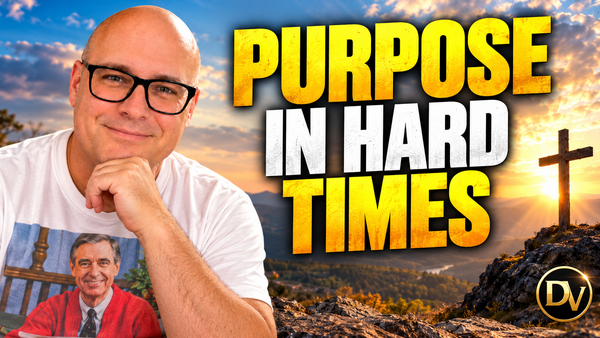
When the Chair Is Empty but Love Still Stands

Chapter 1: The Day the Phone Does Not Ring
A man can wake up on Father’s Day and still feel like the loneliest person in the house. The coffee is made. The sun is already pushing through the blinds. Somewhere in the neighborhood, a grill will be lit, somebody’s grown son will pull into a driveway, and somebody’s daughter will walk in carrying a card she picked out two days ago. But his phone sits on the kitchen counter like it has forgotten him. He tells himself he is not waiting, but he keeps looking over at it anyway. That is the hidden room this article is willing to enter, and it stands beside the Father's Day message for fathers rejected by their children because some men need more than a cheerful holiday greeting when the people they love most stay silent.
There is a particular kind of pain that does not know where to sit in public. A father rejected by his kids may still go to work, still pay bills, still help neighbors, still answer when someone else needs him, and still carry a private question that follows him through the whole day. What did I do wrong? What could I have done differently? Is there still a place for me in their lives? That question also belongs beside the quiet faith that still stands when family pain feels personal, because rejection inside a family does not just hurt the heart. It tests what a man believes about love, failure, forgiveness, and God.
The strange part is that many fathers do not even feel free to say it out loud. They may talk about work, money, weather, politics, projects around the house, or the price of groceries, but when Father’s Day comes and no one reaches out, they swallow it. They may make a joke before anyone else can notice. They may say, “It’s fine,” even while something inside them is not fine at all. They may scroll past pictures of other families and feel happy for them and wounded by them at the same time. That mix can make a man feel small, ashamed, angry, and invisible all at once.
This is where the perspective has to shift before the pain turns into poison. The empty chair is real. The unanswered message is real. The cold distance from a child is real. But none of those things are large enough to tell the whole truth about a father’s life. They can describe what is happening right now, but they cannot define what love was, what love is, or what love may still become. A quiet Father’s Day can feel like a verdict, but it may only be a chapter. A painful chapter, yes. A chapter no man would choose. But not the whole story.
A father who has been rejected often carries more than one kind of grief. He grieves the child who will not come close. He grieves the younger version of that child who once reached for his hand. He grieves the birthday parties, school mornings, bedtime prayers, car rides, ball games, scraped knees, and ordinary moments that used to make fatherhood feel simple. He may also grieve himself. Not in a selfish way, but in the honest way a man grieves the years he cannot redo. He remembers words spoken too sharply, absences he cannot defend, choices he wishes he had handled with more patience, and seasons when he was trying to survive and did not understand the damage being done around him.
That is why this subject cannot be treated lightly. It is not just about adult children who do not call. It is not just about a holiday that hurts. It is about a man standing in front of his own life and asking whether his love still counts when it is not being received. It is about the difference between responsibility and self-hatred. It is about learning to tell the truth without letting the truth destroy you. It is about standing before God without pretending you were perfect, while also refusing to believe you are beyond repair.
There is a father who goes to the store on the Saturday before Father’s Day because he needs coffee, paper towels, and a bag of dog food. He passes the card aisle by accident, or maybe not by accident. The rack is full of blue envelopes and jokes about dads sleeping in recliners. He sees cards that say “Best Dad Ever,” and he almost laughs because that phrase feels like it belongs to another man in another life. He keeps walking, but for the rest of the day the words stay with him. Not because he expected a card, exactly, but because he remembers when a child’s handwriting filled the inside of one. He remembers misspelled words, crayon hearts, and the loud pride of a small voice saying, “I made this for you.”
That kind of memory can soften a man or break him open. Some men try to outrun it. They stay busy. They wash the truck, clean the garage, fix the fence, organize the tools, work overtime, or watch television louder than usual. There is nothing wrong with getting things done, but activity cannot heal what honesty never touches. The wound underneath the workbench is still there when the lights go off. The silence still follows him into the bedroom. The question still stands near the ceiling in the dark: Am I still a father if my child does not want me?
The answer, from a Christian point of view, begins with a truth that is both comforting and difficult. Fatherhood is not erased by rejection. It is wounded by rejection. It is complicated by rejection. It may need repentance, patience, wisdom, boundaries, counseling, prayer, and time. But it is not erased. A child’s distance changes the relationship, but it does not delete the calling. A father may not have access. He may not have trust. He may not have conversation. He may not have the seat at the table he longs for. Still, love can remain faithful even when it has to become quiet.
This does not mean a father gets to demand closeness just because he wants it. Love is not control wearing a softer shirt. Some fathers need to hear that clearly. Pain does not make a man innocent of everything. Missing a child does not automatically mean he has listened well, apologized well, or respected the space that may be needed for healing. Christian encouragement cannot be honest if it only comforts the father and never asks him to become more like Christ. Jesus never taught a love that bullies its way into someone’s life. He taught a love that tells the truth, lays down pride, seeks reconciliation, and waits without turning bitter.
But there is another side that also needs to be said with tenderness. Some fathers are carrying blame that is larger than their actual failure. Some have apologized and still remain outside the door. Some have changed and still are treated like the worst version of themselves. Some were not perfect, but they were present. Some made mistakes, but they also sacrificed. Some were limited, tired, scared, broke, confused, or wounded themselves, and they did the best they knew how with the tools they had at the time. That does not excuse every wrong thing, but it does help a man tell the truth with balance instead of drowning in shame.
Shame is a terrible counselor. It does not help a father become humble. It makes him hide. It does not help him repair what can be repaired. It tells him there is no use trying. Shame will take Father’s Day and turn it into a courtroom where the man is the defendant, the empty phone is the evidence, and every old mistake is called back to the stand. The voice of God is different. God can convict without crushing. God can expose what needs to change without declaring a man worthless. God can lead a father to repentance without stealing his hope.
That distinction matters because many men confuse conviction with condemnation. Conviction says, “Face this, because healing requires truth.” Condemnation says, “You are this, and nothing can change.” Conviction may bring tears, apologies, changed behavior, and a humbler way of loving. Condemnation brings paralysis, anger, self-pity, and despair. One opens a door toward life. The other locks the room and calls it justice. A rejected father needs the courage to receive conviction and the faith to refuse condemnation.
On Father’s Day, the mind often looks for a simple explanation because simple explanations hurt less at first. She is ungrateful. He has been poisoned against me. Their mother turned them away. I ruined everything. They will never come back. I was never good enough. Every one of those thoughts may contain a piece of something, but none of them should be allowed to become the whole truth without prayer, humility, and careful reflection. Family pain is usually more tangled than a single sentence. There are old wounds, misunderstandings, different memories, outside voices, immaturity, pride, fear, trauma, divorce, distance, resentment, and sometimes years of silence piled on top of one another like boxes in a storage room nobody wants to open.
A man of faith does not have to pretend the boxes are not there. He also does not have to kick them across the room. He can begin by standing still before God and telling the truth as plainly as he can. “Lord, I miss my child. I do not know what to do with this pain. Show me what belongs to me. Show me what does not belong to me. Teach me how to love without forcing, wait without hardening, and repent without hating myself.” That kind of prayer may not make the phone ring by lunchtime, but it can keep the heart from becoming a locked door.
There is a quiet strength in refusing to let rejection make you cruel. That may be one of the most overlooked forms of fatherhood. Anybody can love when the table is full and the card arrives on time. It takes something deeper to keep loving when the chair stays empty. It takes grace to resist the bitter comment, the public complaint, the guilt-loaded text, the angry post, the speech that tries to make everyone see how wounded you are. It takes Christ-shaped restraint to say, “I am hurting, but I will not use my hurt as a weapon.”
This is not weakness. It is not passivity. It is not pretending that silence is acceptable or that distance does not matter. It is strength under the authority of love. It is the kind of strength that can write a careful message and not demand an immediate answer. It is the kind of strength that can apologize without adding a defense at the end. It is the kind of strength that can say, “I love you, and I am here when you are ready,” without turning those words into a trap. It is the kind of strength that keeps the porch light on without standing at the window in anger.
When Jesus told the story of the father and the prodigal son, He gave the world one of the clearest pictures of love that waits without surrendering hope. That father did not chase his son into the far country and drag him home by the collar. He did not pretend the departure was painless. He did not fill the house with hatred while the son was gone. He remained a father while he waited. His love was not erased by distance. His identity did not depend on the son’s immediate return. When the son came home, the father was ready, not because the pain had never existed, but because bitterness had not been allowed to take the father’s place.
A rejected father may need to sit with that image longer than he expected. Not as a weapon against his child. Not as a way to say, “See, I am the righteous one and they are the prodigal.” That would miss the heart of Jesus completely. The image is not given so a man can crown himself innocent. It is given so he can see what patient love looks like when the relationship is broken. The father in the story stayed ready. He stayed soft enough to recognize the son from far away. He stayed free enough to run. That means his waiting had not turned him into stone.
Maybe that is the first real work of this article. Not to fix the whole family in one chapter. Not to make Father’s Day suddenly easy. Not to promise that every child will call, apologize, return, understand, or change. The first work is to protect the father’s heart from the two lies that often arrive together. The first lie says, “If your children reject you, your fatherhood means nothing.” The second lie says, “If you are hurt, you have the right to become hard.” Both lies feel believable when the phone stays silent. Both lies can damage a man for years.
The truth is harder, but it is also holier. Your fatherhood still matters, and your heart still needs guarding. Your mistakes need honesty, and your love still needs dignity. Your children’s choices matter, and so do yours. The door may be closed right now, but you do not have to become a closed man. The silence may be heavy, but you do not have to answer silence with bitterness. Father’s Day may expose the wound, but with God it can also become the day you stop letting rejection decide what kind of man you are becoming.
So when the phone does not ring, breathe before you build a story around the silence. Let the hurt be real, but do not let it become your ruler. Put the phone down if looking at it is making you spiral. Step outside if the house feels too small. Take a walk, pray honestly, drink water, eat something decent, and do not punish yourself by staring at other people’s celebrations all day. Make one faithful choice that keeps your heart open without making you desperate. That may sound small, but small faithful choices are often how God keeps a man from collapsing under a pain he cannot fix by force.
You may still be waiting at the end of the day. You may still go to bed without the message you hoped for. But you do not have to go to bed believing the silence has named you. You can lie down as a man still held by God, still capable of growth, still capable of love, still called to truth, still invited into grace. The chair may be empty. The phone may be quiet. The house may feel painfully still. But love, when surrendered to God, can remain alive in the room even when no one else walks through the door.
Chapter 2: When Regret Starts Speaking for God
The morning after Father’s Day can be harder than the day itself. The man gets up for work, ties his shoes, stands at the bathroom sink, and sees a face that looks older than it did yesterday. The house is no longer pretending to be a holiday. The cards at the store will be marked down soon. The restaurants will move on to the next promotion. Everyone else seems able to place the day back on the calendar and keep going. But he is still carrying what did not happen. He brushes his teeth, looks at himself in the mirror, and one thought comes up before he can stop it: Maybe I deserve this.
That thought can sound humble at first, but it often carries a hidden knife. Real humility brings a man into truth. It helps him say, “I did wrong there. I should not have said that. I should have listened. I was too harsh. I was absent. I was proud. I need to make that right where I can.” False humility goes further and says, “I am only my worst season. I am only my worst mistake. I am no longer allowed to hope.” Many fathers cannot tell the difference when the pain is fresh. Regret puts on a serious face, lowers its voice, and starts speaking as if it came from God.
That is one of the most dangerous perspective shifts a hurting father has to make. Not every painful thought is conviction. Not every heavy feeling is the Holy Spirit. Not every memory that makes a man wince is God’s final word over him. Sometimes regret is useful because it points to something that needs repair. Sometimes regret is cruel because it keeps replaying scenes that cannot be changed and refuses to let grace enter the room. A man needs enough honesty to listen when God is correcting him, and enough faith to stop bowing to a voice that only wants to bury him.
A father might sit in his truck in the parking lot before work because he got there early and does not want to go inside yet. He has ten minutes before anyone expects him. He scrolls through old pictures on his phone, not because it helps, but because he cannot stop himself. There is one photo from years ago: a child asleep in the back seat after a long day, mouth open, hair messy, one shoe untied. He remembers feeling tired that day. He remembers being impatient in traffic. He remembers wishing the day would end. Now he would give almost anything to have that ordinary tired day back. The picture does not accuse him with words, but it still feels like evidence.
A man in that place may begin to rewrite his whole life through the color of regret. Good memories become painful because they prove what was lost. Sacrifices become invisible because mistakes are louder. Honest effort becomes suspicious because the relationship is broken now. He may forget the lunchboxes packed, the bills paid, the nights he stayed up, the hours he worked, the drives he made, the prayers he whispered, the ways he tried to protect and provide. Regret does not give a balanced account. It is a poor historian. It selects the darkest scenes and says, “This is the real you.”
God is more truthful than regret. That means God may show a father things he would rather not see, but He will not lie by omission. He will not pretend the failures were fine, but He also will not erase the love, labor, growth, and sacrifice that were real. Grace does not require a man to call wrong right. Grace allows him to face wrong without letting wrong become his whole name. That is not a small difference. For a rejected father, it may be the difference between a heart that keeps healing and a heart that slowly gives up.
There are fathers who know exactly where some of the distance began. Maybe there was a divorce that turned ordinary parenting into a battlefield. Maybe anger became the house language for a season. Maybe work swallowed the years. Maybe alcohol, pride, fear, depression, or immaturity shaped the home more than love did. Maybe there were words said in a kitchen that no apology has fully reached. Maybe a child tried to explain pain years ago, and the father defended himself instead of listening. If that is true, the way forward cannot begin with denial. A man cannot ask God to restore what he refuses to face.
But facing it does not mean drowning in it. A father can sit at a small table with a notebook and write down what he honestly knows. He does not need to write like he is preparing a legal defense. He can write like a man trying to stop lying to himself. “I yelled too much.” “I was gone too often.” “I made everything about money.” “I acted like providing excused my distance.” “I did not know how to talk when they were hurting.” “I expected respect, but I did not always give tenderness.” Those sentences may hurt, but they can also become the beginning of a cleaner life.
There is another kind of father who searches his past and cannot find the clean explanation people assume must exist. He was not perfect, but he was not cruel. He showed up. He helped. He listened more than he gets credit for. He made mistakes, but he also carried weight quietly. Now his adult child has pulled away, and everyone around him seems to suggest that if a child is distant, the father must have done something terrible. That kind of assumption can crush a man who is already confused. It can make him confess to crimes he did not commit just to explain a pain that refuses to explain itself.
That father also needs truth. Sometimes children pull away for reasons that are complicated, immature, influenced by others, shaped by their own pain, or tied to memories the father cannot fully access. Sometimes a father becomes a symbol of a whole painful season, even if he was not the only cause of that pain. Sometimes adult children need distance because they are sorting through their own life and do not know how to do that without cutting contact. Sometimes the silence is not a fair measure of the father’s entire life. It is wise to stay humble, but humility is not the same as accepting every accusation as gospel.
This is where a Christian father needs a deeper courage than defensiveness. Defensiveness is easy. It grabs old receipts, lists sacrifices, points to everything the child has misunderstood, and tries to win the case. Courage does something harder. It says, “Lord, I am willing to see what is mine, even if it hurts. I am also willing to release what is not mine, even if I cannot prove it to anyone.” That prayer may not satisfy the ego, but it can save the soul from living in a permanent argument with people who are not even in the room.
A man cannot repent for someone else’s version of the story if it is not true, but he can repent for his own sins. He cannot force a child to remember his love accurately, but he can become more loving now. He cannot edit the past, but he can stop adding new wounds to the present. He cannot make another person ready for reconciliation, but he can become the kind of man who is safe to approach if the door ever opens. That is not a weak way to live. That is disciplined love. That is fatherhood being purified by pain instead of poisoned by it.
The hard part is that purified love often looks quiet for a while. It may look like not sending the long angry message. It may look like deleting the paragraph that starts with, “After everything I did for you.” It may look like writing an apology that names the wrong without asking the child to comfort the father afterward. It may look like going to counseling, not because it guarantees reconciliation, but because the father wants to become healthier whether or not anyone applauds it. It may look like praying blessings over a child who still will not answer. Those are not dramatic acts, but heaven sees them.
One of the most practical ways to tell the difference between conviction and condemnation is to notice what the voice produces. Conviction may hurt, but it moves a man toward repair, humility, patience, responsibility, and love. Condemnation freezes him in self-hatred or pushes him into bitterness. Conviction says, “Tell the truth and take the next faithful step.” Condemnation says, “There is no next step.” God may break a man’s pride, but He does not break a man’s hope as if hope were the enemy. The enemy of healing is not hope. The enemy of healing is pride that refuses truth and shame that refuses grace.
Imagine a father standing in the greeting card aisle a week after Father’s Day, not looking for a Father’s Day card anymore, but for a blank one. He wants to write something to his daughter. The old version of him would have written too much. He would have explained, defended, corrected, reminded, and maybe accused without meaning to. This time he buys a simple card, sits in the car, and writes slowly. “I know things have been painful between us. I am sorry for the ways I hurt you. I am not writing to pressure you. I love you, and I am willing to listen when you are ready.” He does not add, “But you hurt me too.” He may feel that sentence deeply, and it may even be true, but he knows this card is not the place for it.
That kind of restraint is not fake. It is expensive. It costs pride something. It costs the need to be understood immediately. It costs the hunger to make the other person admit their part. It costs the old habit of turning every apology into a courtroom. But if the goal is reconciliation instead of self-protection, the father has to learn the difference between a bridge and a speech. Many rejected fathers keep trying to build bridges out of speeches. They use too many words because the pain is so large. They explain until the explanation becomes another wall. Sometimes love needs fewer words and more change behind the words.
This is not a promise that the card will work. That is important. Christian writing can become cruel when it makes wounded people think the right sentence will guarantee the outcome they want. A careful apology may be ignored. A gentle message may sit unread. A changed life may go unnoticed for a long time. The father may do the right thing and still not receive the response he prayed for. But the purpose of obedience is not always immediate repair. Sometimes obedience is how God repairs the man while the relationship remains unresolved.
That may be the sharper insight a rejected father does not want at first but may need most. God may be doing something in him that is not limited to whether the child comes home soon. The father wants the relationship fixed, and of course he does. That desire is not wrong. But God also cares about what happens inside the father while he waits. Will he become humbler or harsher? Will he become prayerful or resentful? Will he learn to listen, or will he only rehearse his defense? Will his love become cleaner, or will it become a demand wearing the name of love?
Waiting exposes what love is made of. When love is mixed with control, waiting feels unbearable because the other person’s freedom becomes an enemy. When love is mixed with pride, waiting becomes a stage where the father keeps proving why he deserves better. When love is surrendered to God, waiting still hurts, but it becomes a place where the father learns to release outcomes he cannot command. He can still hope. He can still reach out wisely. He can still pray. He can still grow. But he stops treating reconciliation like a thing he can force through enough pressure.
Jesus understands rejected love better than any father ever will. He loved perfectly and was still refused. He spoke truth with mercy and was still misunderstood. He came to His own, and His own did not receive Him. He looked over Jerusalem with a heart full of longing and spoke like one who wanted to gather children under His wings, yet they were not willing. That matters because it means rejection is not always proof that love failed. Sometimes love is rejected because the other person is not ready, not willing, not healed, not seeing clearly, or not able to receive what is being offered. If perfect love can be rejected, then rejection alone cannot be used as the final measure of a father’s worth.
Of course, no earthly father loves perfectly. That is why the comfort of Jesus must never become an excuse for avoiding repentance. A father cannot say, “Jesus was rejected too,” as a way to avoid asking, “Where did I wound my child?” But he can say, “Jesus was rejected too,” when shame tries to convince him that rejection proves he is beyond love. Christ meets him in the middle of that tension. The cross tells the truth about sin, and the resurrection tells the truth about hope. Both are needed. Truth without hope crushes. Hope without truth floats away. The gospel gives a father enough light to confess and enough grace to keep standing.
There may come a moment when the man has to forgive himself for not knowing then what he knows now. That sentence can be dangerous if used too quickly, because some men want to skip past responsibility and run straight to relief. But after truth has been faced, after apologies have been made where possible, after patterns have begun to change, there is a kind of self-punishment that no longer serves love. It only keeps the father chained to an old version of himself. God does not ask a man to live forever in the ashes to prove he is sorry the fire happened.
A father may need to become gentle with the man he used to be, not because everything was fine, but because hatred cannot heal him. He can look back and see a younger father who was scared, proud, tired, impatient, wounded, and sometimes wrong. He can also see a man who loved, even if he loved imperfectly. He can bring both truths to God. “Lord, forgive what was sinful. Heal what was wounded. Teach what was immature. Redeem what I cannot reach.” That prayer does not rewrite the past. It places the past in the hands of the only One who can do more than replay it.
Regret will still visit. It may show up while driving past a school, folding an old sweatshirt, hearing a song from a certain year, or seeing a family laughing in a restaurant booth. The goal is not to become numb. A numb father is not a healed father. The goal is to stop letting regret take the throne. When it comes, he can listen for truth, reject the lie, and return to God. He can say, “I will learn from what is real, but I will not worship what is cruel.” That is a quiet sentence, but it can become a turning point.
A rejected father does not need to solve the whole story today. He needs to stop allowing regret to pretend it is God. He needs to let the Lord correct him without letting shame consume him. He needs to take the next clean step, even if no one sees it yet. Maybe that step is a prayer. Maybe it is a call to a counselor. Maybe it is a short apology written without pressure. Maybe it is choosing sobriety, patience, humility, or silence when the old anger wants to speak. Maybe it is simply going to work and staying kind when his heart feels heavy.
The mirror will still be there tomorrow morning. The same face will look back at him, older maybe, tired maybe, but not abandoned by God. He can stand there and tell the truth without letting the truth turn into a curse. He can be a man who failed in places and still is not finished. He can be a father who is wounded by silence and still learning to love well. He can be corrected by God without being condemned by regret. And he can begin again, not as a man pretending the past does not matter, but as a man who has finally stopped letting the past speak louder than grace.
Chapter 3: The Difference Between an Open Door and a Begging Heart
A father can spend twenty minutes typing a message he will never send. He starts with one sentence, deletes it, tries again, changes a word, stares at the screen, and feels his chest tighten as if the whole relationship depends on whether he chooses the right phrase. The house is quiet. The television is on, but he has no idea what is happening on it. His thumb hovers over the send button, and he is not only writing to his child. He is writing to every memory, every missed holiday, every unanswered call, every birthday that felt like standing outside a locked gate.
That is a dangerous place to make decisions. Not because the love is wrong, but because desperation can dress itself up as love and then demand to be obeyed. A man can tell himself, “I just need them to know how I feel,” while the deeper truth is that he wants the message to finally make the pain stop. He wants the silence to break. He wants the child to understand. He wants one sentence to undo years of distance. When a heart is that hungry, even good words can become too heavy for the person receiving them.
There is a difference between keeping the door open and pounding on it until the hinges shake. Many fathers who have been rejected do not know where that line is anymore. They are afraid that if they stop reaching, they are giving up. They are afraid that if they keep reaching, they are pushing the child farther away. They feel trapped between silence and pressure. So they either disappear completely or keep sending emotional messages that carry more weight than the relationship can hold. Neither path brings peace. One buries love. The other burdens love.
A father in that place needs a new way to understand faithfulness. Faithfulness is not panic with religious language around it. Faithfulness is not proving love by exhausting the other person. Faithfulness is not measuring every day by whether the child responded. Faithfulness is steady love under God’s authority. It keeps the door open without turning the doorway into a demand. It makes room for reconciliation without trying to control the timing. It stays ready, but it does not become frantic. That kind of love is difficult because it asks a father to trust God with what he cannot force.
This is where the heart of Jesus challenges both pride and desperation. Jesus invited people, but He did not chase them with manipulation. He called, taught, healed, warned, loved, and told the truth. When people walked away, He did not stop loving them, but He also did not turn love into begging. He let human freedom remain real. That is not coldness. It is holy respect. Love that honors freedom may suffer deeply, but it refuses to become control. For a rejected father, that may be one of the hardest lessons in the whole journey.
A man may say, “But they are my children.” That is true, and it matters. The bond is not casual. The pain is not small. But even a father’s love must learn humility before the freedom of another person. Adult children are not extensions of their father’s need. They are people with their own memories, wounds, limits, choices, and timing. This does not mean every choice they make is fair or wise. It simply means love cannot heal a relationship by denying the other person’s agency. A father can long for closeness, but he cannot demand closeness and still call it healing.
There is a father who drives past his grown son’s apartment more often than he admits. He tells himself it is on the way, but it is not really on the way. He slows down near the parking lot, looks for the car, and then feels foolish for doing it. One evening he almost pulls in. He imagines knocking, seeing surprise on his son’s face, and somehow having the conversation that fixes everything. Then he imagines the door opening only a few inches, the embarrassment, the anger, the possibility of making things worse. He keeps driving. At the next red light, he grips the steering wheel and whispers, “Lord, I do not know how to love from here.”
That prayer is more honest than many long speeches. “I do not know how to love from here.” A father may know how to love a child who is five and scared of the dark. He may know how to love a teenager who needs a ride. He may know how to love a young adult who asks for help with rent, a car repair, a job application, or a broken heart. But how does he love a child who wants distance? How does he love without access? How does he bless without being invited close? How does he remain a father when fatherhood is no longer welcomed in the form he recognizes?
He begins by separating love from immediate contact. That may sound painful because contact is what he wants. He wants the call, the visit, the hug, the normal conversation about ordinary things. He wants to hear about work, school, children, health, plans, frustrations, and small details. He wants to be included again. Those desires are human and not wrong. But if love depends entirely on access, then the father’s heart will live at the mercy of every response and nonresponse. Love has to become deeper than contact, or silence will control the man completely.
Love without contact may look like prayer when there is no conversation. It may look like refusing to slander the child to relatives. It may look like keeping the child’s dignity safe even when the father is hurting. It may look like not using family gatherings to gather allies. It may look like sending a simple birthday message without adding guilt. It may look like honoring a boundary, even when the father does not fully understand it. It may look like preparing the heart for a future conversation instead of rehearsing the argument he wants to win.
That is not the same as becoming invisible. A father can still reach out in wise, respectful ways. He can send a brief note. He can acknowledge harm. He can express love without pressure. He can ask whether the child would be open to a conversation. He can offer to listen. He can make amends where appropriate. He can remember birthdays and important days without turning them into emotional invoices. What he cannot do, if he wants real healing, is use every contact attempt to make the child responsible for his pain.
This is where many fathers stumble, especially when they have suffered quietly for a long time. The pain builds up behind the dam, and when one small opening appears, everything rushes out. A child sends one short reply, and the father responds with six paragraphs. A daughter says, “Maybe we can talk sometime,” and the father tries to schedule the whole repair in one afternoon. A son answers a call, and the father unloads years of hurt before trust has taken one step. The father may call that honesty, but the child may experience it as being buried.
Healing usually needs a slower pace than pain wants to allow. Pain wants relief now. Wisdom asks what the relationship can safely carry today. A cracked bridge cannot hold the weight of a loaded truck just because the driver is tired of waiting. It may need one board, then another, then another. A father may want the deep conversation, but the first faithful step may be a short, calm exchange that does not demand more. He may want apology, explanation, and reunion, but the first good sign may simply be that the child did not shut the door as quickly as before.
A father who learns this pace is not weak. He is becoming mature. He is learning to love the person in front of him instead of loving the reunion he has imagined. Those are not always the same thing. The imagined reunion may have tears, apologies, arms around each other, and the clear ending of a painful season. The real person may be guarded, skeptical, awkward, angry, distant, or unsure. If the father rejects the real person because they do not match the scene in his mind, he may miss the fragile beginning God has actually placed in front of him.
Think of a man whose daughter agrees to meet for coffee after two years of distance. He arrives early, sits near the window, and rehearses what he wants to say. He has a whole speech in his mind. He wants to explain how hard Father’s Day has been. He wants to tell her how many nights he cried. He wants to defend some things and apologize for others. Then she walks in and looks nervous. She orders tea, not coffee, and for the first few minutes they talk about traffic and her dog. Everything in him wants to push deeper because small talk feels like wasting a miracle. But wisdom tells him that small talk may be the miracle.
So he listens. He asks about the dog. He does not correct her tone. He does not bring up the holiday. He does not say, “Do you know what you put me through?” He thanks her for meeting him. When the conversation finds a quiet place, he says, “I know there are things we still need to talk about. I am willing to listen when you are ready.” Then he lets the sentence breathe. That may feel like too little to him, but to her it may be the first time she has not felt cornered. The father leaves without the full repair he wanted, but he has done something holy. He has made a little room for trust.
Trust is often rebuilt in rooms that do not look dramatic. It may happen when a father respects a boundary he used to argue with. It may happen when he listens without correcting the first sentence. It may happen when he keeps a promise he would once have forgotten. It may happen when he stays calm during a hard conversation. It may happen when he admits, “I did not understand that then, but I am trying to understand it now.” Those moments may not make a beautiful holiday picture, but they can become stones in a new foundation.
Some fathers will not get that coffee meeting soon. Some may not get it at all, at least not in the way they hope. This is where the difference between an open door and a begging heart becomes even more important. An open door says, “I love you. I am willing to listen. I am working on myself. I am here if the day comes.” A begging heart says, “You must come back so I can be okay.” That second message may be understandable, but it is too much weight for a child to carry. No child, even an adult child, can become the savior of a father’s wounded identity.
Only God can hold that place. That does not make the child less important. It puts the child back in the right place. A father’s love for his children may be one of the deepest loves he ever experiences, but it cannot be the foundation of his worth before God. If a child’s acceptance becomes the only proof that the father matters, the father will be pulled apart by every silence. God must become the ground beneath him, not as a religious phrase, but as a lived reality. Before he is accepted or rejected by his children, he is seen by the Father in heaven.
That truth can sound simple until a man has to live it on a hard afternoon. He comes home from work, checks the mailbox, sees nothing personal, steps inside, and feels the old emptiness rise. This is when spiritual truth has to become practical enough to touch the doorknob, the shoes by the mat, the microwave dinner, the quiet room. He may have to say out loud, “Lord, my child’s silence hurts, but it is not my name. You know me. You correct me. You hold me. Help me stay open without falling apart.” Faith has to become words in the kitchen, not just ideas in a notebook.
A begging heart often grows when a man has no other place to put his pain. That is why rejected fathers need more than private endurance. They need healthy places to be honest. Not a crowd that feeds bitterness. Not friends who only say, “Forget them, they do not deserve you.” Not people who turn the child into the villain so the father never has to grow. A hurting father needs wise support. He may need a counselor, a mature friend, a small group, a pastor who can listen without simplifying the story, or one trusted person who can say, “I understand why this hurts, but do not send that message tonight.”
That kind of support can save a relationship from further damage. When a father has somewhere wise to pour the first wave of pain, he is less likely to pour it all onto the child. He can process the anger before it becomes an accusation. He can process the sadness before it becomes pressure. He can process the shame before it becomes self-destruction. He can let someone help him see the difference between a clean apology and an emotional demand. No man should have to carry this kind of grief completely alone.
Yet many do, because father pain is often treated like something men should handle without speaking. A mother’s heartbreak over distant children is more easily recognized. People may gather around her, ask how she is doing, and understand why holidays hurt. A father may be expected to shrug, stay strong, and not make it awkward. If he speaks too honestly, people may not know what to do with him. So he goes quiet. He becomes useful instead of known. He becomes available for everyone else’s needs while his own grief sits in a locked room.
Jesus never asked men to become stone in order to be strong. He wept. He withdrew to pray. He spoke honestly in Gethsemane. He carried sorrow without sinning through it. The Christian picture of strength is not emotional numbness. It is surrendered honesty. It is the courage to bring pain into the presence of God without letting pain become lord. A rejected father can be strong and still cry in the truck. He can be faithful and still need help. He can be masculine and still admit that the silence of his children feels like a wound he does not know how to bandage.
There is no shame in needing support while learning how to love wisely. There is shame in using hurt as permission to harm, but there is no shame in saying, “I am not okay, and I need God to help me become the kind of father who does not make this worse.” That sentence may be the start of maturity. It moves the father out of performance and into surrender. It stops pretending that strength means having no needs. It lets him become human before God, which is where real change begins.
The father staring at the unsent message may still send something one day. He may even send something today, if it is clean, brief, humble, and free from pressure. But he may also set the phone down, take a breath, and wait until his heart is not using the message as a life raft. He may copy the words into a note and look at them tomorrow. He may call a trusted friend first. He may pray over every sentence and remove anything that asks the child to heal him. That pause may feel like doing nothing, but it can be one of the most loving things he does.
An open door does not need to slam itself against the frame to prove it is open. It simply remains open. It lets light in. It waits without shouting. It does not chase people down the road, but it also does not lock itself out of pride. A father can become that kind of door. Not perfectly. Not without pain. Not without days when he wants to yell, explain, defend, or disappear. But by the grace of God, he can become steadier than the silence around him.
And maybe tonight, instead of sending the message that tries to carry every year at once, he writes a simpler one. Maybe he says, “I love you. I am praying for you. No pressure to respond.” Maybe he sends it. Maybe he saves it for another day. Maybe he says nothing and lets God work first in him. What matters is that he is learning the difference between love and desperation, between hope and control, between readiness and pressure. He is still a father. But he is becoming a father whose love has begun to breathe.
Chapter 4: Becoming Safe Without Becoming Small
The grocery store can feel cruel on an ordinary Monday evening. A father walks in for milk, bread, eggs, and something easy to heat up because he does not feel like cooking. He turns down the cereal aisle and sees a young dad kneeling beside a little boy who is trying to choose between two bright boxes. The boy is taking forever. The young dad looks tired, but he smiles anyway and says, “Pick one, buddy.” The older father keeps pushing his cart, but something inside him stops right there between the oatmeal and the pancake mix. He remembers when his own child needed help choosing cereal. He remembers being in a hurry. He remembers saying, “Come on, we do not have all day.” Now he would stand in that aisle until midnight if he could have one more simple moment like that.
That is the kind of memory that can either make a man softer or make him disappear into himself. It is not always the dramatic moments that hurt the most. Sometimes it is the sight of a child’s shoe in a shopping cart, a father lifting a toddler into a truck, a teenage daughter laughing with her dad near the frozen pizza, or a little hand reaching for a sleeve. Those ordinary pictures can make a rejected father feel as if life is showing him a movie he used to be in but can no longer enter. He goes home with groceries in the passenger seat and a quiet heaviness in his chest, wondering how to live when fatherhood is still inside him but no one seems to be asking for it.
This is where another perspective has to change. If a father only measures his fatherhood by the amount of access he currently has, he may begin to shrink. He may stop growing because he thinks no one wants the better version of him anyway. He may stop praying because the outcome has not changed. He may stop becoming gentle because there is no child close enough to notice. He may think, “What is the point of changing now?” That question is understandable, but it is also dangerous. A man does not become healthier only when someone rewards him for it. He becomes healthier because God is still forming him.
There is a hidden work in a rejected father that may be just as holy as the work he once did in public. The public work was easier to recognize. It looked like rides to school, money for shoes, food on the table, help with homework, discipline, protection, showing up at games, fixing broken things, and trying to hold a household together. The hidden work is quieter. It looks like learning patience when no one is praising him. It looks like telling the truth in prayer instead of numbing himself. It looks like getting help for anger, grief, fear, or regret. It looks like becoming the kind of man who could be trusted with a future conversation even if that conversation never comes as soon as he hopes.
That is not small. It may feel small because no one claps for it. There may be no picture posted, no family dinner, no public sign that anything is changing. But God has always done some of His deepest work away from applause. A seed in the ground does not look productive. A repaired foundation does not look impressive from the street. A man learning to speak with restraint in an empty kitchen may not look like a miracle, but if his old pattern was anger, that restraint is not nothing. It is grace becoming practical.
A father may need to ask a better question than, “Will my kids ever see that I have changed?” That question matters, but it can become a cage. A better question may be, “Lord, who are You making me while I wait?” That question opens the room. It does not deny the desire for reconciliation. It simply refuses to make another person’s recognition the only reason to grow. The child’s response matters deeply, but it is not the only audience for the father’s transformation. God sees the private repentance. God sees the deleted angry text. God sees the counseling appointment. God sees the quiet choice to bless instead of curse. God sees the man trying to become safe.
The word safe may bother some fathers at first. It can sound soft in a way they do not trust. But safety is not weakness. Safety means the people near you do not have to brace for impact every time the conversation becomes difficult. Safety means your love does not come with hidden hooks. Safety means you can hear pain without immediately making yourself the victim. Safety means you can be disappointed without becoming dangerous. Safety means a child, a spouse, a friend, or a stranger can bring truth into the room and not be punished for it. That kind of safety is deeply Christlike.
Jesus was not weak, but wounded people moved toward Him. Children were not afraid of Him. The ashamed were not crushed by Him. The broken did not have to perform before Him. He could tell the truth so clearly that proud people became furious, yet hurting people still sensed mercy in Him. That is strength under perfect love. A father who has been rejected may never mirror that perfectly, but he can move toward it. He can become less explosive, less defensive, less manipulative, less ruled by old fear. He can become easier to approach. He can become more honest and less harsh. He can become safe without becoming small.
A fresh example may help here. Picture a father at work on a Tuesday afternoon. He is already carrying family pain, but nobody at work knows it. A younger employee makes a mistake that costs time and money. The old version of the father would have snapped, not because the mistake was so terrible, but because the pressure inside him needed somewhere to go. He would have used authority to unload frustration. This time he feels the heat rise, but he pauses. He explains the problem clearly. He holds the standard. He does not humiliate the person. Later, in the truck, he realizes something. The change he wants his children to believe someday has to become real in places where his children are not watching.
That is a serious realization. Character is not something a man performs only for the people he wants back. Character is who he becomes before God in every room. If he says he has changed but still uses fear to control everyone else, the change has not gone deep enough. If he says he is gentle now but only when trying to win his child’s approval, gentleness is still a strategy. Real transformation spreads. It touches how he drives, how he speaks to the cashier, how he handles being interrupted, how he responds when plans change, how he treats people who cannot give him anything, and how he talks about his children when they are not present.
This does not mean a father becomes perfect. That kind of pressure would only create another mask. He will still have bad days. He will still feel anger, sadness, loneliness, and fear. He may still say something poorly and need to apologize. The difference is that he no longer excuses every reaction by pointing to his pain. Pain may explain why he is tender in certain places, but it does not give him permission to be careless with other people. Healing begins to show up when a man can say, “I am hurting, but I am still responsible for how I walk into this room.”
There is a loneliness in that responsibility. Some days a father may feel like he is doing invisible repair on a house no one plans to visit. He reads, prays, thinks, apologizes, grows, and changes, but the silence from his child remains the same. That can make growth feel foolish. Why fix the porch if no one is coming over? Why clean the table if no one plans to sit there? Why soften the heart if the person he misses most does not want to come near? Those questions are honest, but they assume the only value of becoming whole is being noticed by the person who left.
God sees it differently. Wholeness is not wasted just because it is not immediately witnessed by the person you miss. A father becoming healthier is still a victory. A man becoming more Christlike is still sacred. A heart becoming less bitter is still a miracle. Even if the child stays distant for a long time, the father is not wasting his obedience. He is becoming more alive. He is becoming less chained to the worst parts of the past. He is becoming able to love people in the present without making them pay for what he lost.
That matters because rejected fathers often have other relationships around them that quietly absorb their pain. A wife may live with the moods that follow unanswered messages. A friend may stop asking because every conversation turns into the same wound. Younger children, stepchildren, grandchildren, coworkers, neighbors, or church friends may feel the distance of a man who has pulled his heart behind a wall. The child who is gone may not be the only one affected by the father’s grief. When a man begins to heal, he does not only become safer for the child he misses. He becomes safer for everyone still near him.
Imagine a father whose younger grandson comes over for an afternoon. The father is tired because he spent the morning thinking about the adult child who will not speak to him. The little boy wants to play with plastic dinosaurs on the living room floor. The grandfather almost says he is too tired. Then he looks down and sees the child holding up a green dinosaur with one broken leg. He has a choice. He can let yesterday’s rejection steal today’s invitation, or he can get down on the floor for ten minutes and be present. He sits down slowly. His knees complain. The boy hands him a dinosaur and starts making roaring sounds. It does not fix the broken relationship, but it keeps love from dying in the relationships that remain.
That is a powerful act of resistance. Bitterness wants to spread the wound. Grace teaches a man to refuse that spread. The father may not be able to make one child come close, but he can choose not to become unavailable to everyone else. He can still bless the life in front of him. He can still notice the person who is present. He can still answer the call that does come, even while grieving the one that does not. This is not replacement. No person can replace the child he misses. It is stewardship. It is refusing to let one painful absence blind him to every remaining gift.
There is also a spiritual danger in making pain the center of identity. A father can become known, even to himself, mainly as the man whose children rejected him. That identity may gather sympathy in some rooms and silence in others, but either way it becomes too small for a soul made by God. He is not only the rejected father. He may be that, honestly and painfully, but he is also a son of God, a neighbor, a worker, a friend, maybe a husband, maybe a grandfather, maybe a mentor, maybe a man with wisdom earned through fire. If he lets rejection become his whole name, he may stop offering the parts of his life that still carry light.
That does not mean he should pretend to be cheerful. Forced cheerfulness is not Christian hope. Real hope can sit beside sorrow without lying. A father can say, “This still hurts,” and also say, “I still have work to do in love.” He can admit, “I miss my child,” and also notice, “My neighbor needs help carrying that box.” He can cry in the morning and still make a kind decision in the afternoon. Faith does not require him to choose between grief and goodness. In Christ, he can carry grief without surrendering goodness.
A man may need rhythms that help him live this instead of merely agreeing with it. He may need to stop beginning every morning with the phone if the phone has become an altar of anxiety. He may need to take a walk before checking messages. He may need to write prayers in a notebook because unspoken pain keeps turning into irritability. He may need to set certain days where he does not scroll through family pictures because he knows it pulls him into a pit. He may need to serve somewhere, not to distract himself from grief, but to remind his heart that love still has places to go.
Serving while wounded is not hypocrisy. It is often how God keeps love moving. A rejected father might help at a food pantry, visit an elderly neighbor, repair something for someone who cannot afford help, call a lonely friend, encourage a younger dad, or quietly support someone else’s child who needs guidance. He should not do these things to avoid his own pain or to prove he is good. He can do them because fatherly love, when submitted to God, can become larger than one broken relationship. It can still protect, teach, encourage, provide, and bless.
This may be one of the sharpest reframes in the whole article: fatherhood is personal, but the fatherly heart can still serve beyond the place where it has been rejected. A man should never use service to replace the child he longs for, because that would be unfair to everyone involved. But he can let God redeem the love that has nowhere obvious to go. He can become a steady presence for someone who needs one. He can become the older man who listens. He can become the neighbor who notices. He can become the person who knows what family pain feels like and therefore treats other wounded people with unusual care.
There is no need to make that grand. It may be as simple as not rushing past the young father in the parking lot who is trying to load groceries while a baby cries. It may be offering a kind word to a teenager who looks defeated at work. It may be telling a younger parent, “You are doing better than you think,” because he remembers how much those words would have helped him years ago. It may be praying for other fathers on Father’s Day instead of only sitting inside his own sadness. The rejected father still has something to give, and giving it wisely can keep his heart from turning inward until it caves in.
Still, there will be days when he does not feel strong enough to give anything. That is where grace must remain grace. God is not asking him to become a machine of usefulness. There are days to rest, days to cry, days to be quiet, days to say no, days to sit with Scripture, days to let a trusted person know the weight is heavy again. Becoming safe does not mean becoming endlessly available. It means becoming truthful, steady, humble, and loving under God’s care. Even Jesus withdrew. Even Jesus rested. Even Jesus went to lonely places to pray.
The rejected father may need to learn rest without collapse. Collapse says, “Nothing matters, so I will stop caring.” Rest says, “This matters deeply, but I am not God, and I need to be held too.” Collapse isolates. Rest returns to the Father. Collapse numbs. Rest breathes. Collapse punishes the body. Rest receives the body as something God still cares about. A man who is grieving family rejection may need sleep, food, movement, sunlight, prayer, and honest companionship more than he realizes. Spiritual pain still lives in a human body.
One evening, after another day without contact, a father may stand at the kitchen sink washing a single plate. The water is warm. The window above the sink reflects his own face back at him because outside has gone dark. He feels the familiar sadness rise, but this time it is not the only thing in the room. There is also a quieter awareness: “I did not become cruel today.” He answered people kindly. He did not send the bitter message. He prayed when he wanted to stew. He admitted one wrong thought and let it go. He was present for the person who crossed his path. Nothing visible changed in the relationship he cares about most, but something changed in him.
That is not a consolation prize. That is formation. God is shaping a man who can be trusted with love, whether love comes back quickly or slowly or not yet at all. The father is not earning reconciliation by becoming safer. Reconciliation is not wages. But he is preparing the ground of his own heart. He is letting God remove stones that would trip any future conversation. He is becoming less controlled by fear. He is becoming less likely to wound from the place where he has been wounded. He is becoming a man whose open door is not surrounded by anger.
This is holy work, even when it feels unseen. Especially then. The Father who sees in secret is not confused by the lack of public evidence. He knows the difference between a man pretending to change and a man surrendering one hard reaction at a time. He knows how much it costs to bless a child who does not call. He knows how much strength it takes to keep a heart from becoming a weapon. He knows the private battles fought over the send button, the steering wheel, the old photo, the holiday table, and the empty bedroom. None of it is hidden from Him.
So the father does not have to become small just because he is trying to become safe. He does not have to lose his voice, deny his pain, erase his dignity, or live as if he has no needs. He can stand upright in humility. He can become gentle without becoming spineless. He can become patient without becoming passive. He can become honest without becoming harsh. He can become hopeful without becoming demanding. He can become the kind of man who, by God’s grace, is ready to love well if the door opens and still able to live faithfully if it does not open today.
The groceries are put away. The house is quiet again. The cereal aisle memory still hurts, but it no longer has the final word. The father sits down, takes a slow breath, and asks God to keep forming him where no one sees. Not so he can prove everyone wrong. Not so he can build a better argument. Not so he can force the story to resolve on his timetable. He asks because he still belongs to God, and because even rejected love can be refined until it becomes more like Christ.
Chapter 5: The Chair May Stay Empty, but the Heart Can Come Home
A father wakes up a few days after Father’s Day and finds a paper plate still sitting on the counter from a meal he barely tasted. There is nothing special about the morning. The trash needs to go out. The grass needs water. A bill is due. The world has moved on with its usual demands, but the room still feels marked by absence. He picks up the plate, carries it to the trash, and notices that he is tired in a deeper way than sleep can fix. It is not only the tiredness of being ignored. It is the tiredness of measuring his whole life against one silent chair.
That is the place where hope has to become more honest than fantasy. Hope cannot be allowed to mean pretending the chair will be filled by next Sunday. It cannot mean forcing a cheerful ending onto a wound that still needs time, truth, humility, and grace. Real hope is stronger than that. Real hope can look at the empty chair and still refuse to call emptiness lord. It can admit that the relationship is broken and still believe God is present. It can say, “I do not know when this will change,” without adding, “So nothing good can happen in me.”
A father who is rejected by his children often wants one kind of healing more than any other. He wants the call, the visit, the apology, the hug, the repaired conversation, the sound of his child’s voice without distance in it. That desire is not wrong. It is human. It is part of the love God placed in him. But if that becomes the only healing he is willing to receive, he may refuse the grace God is offering today because it is not the grace he ordered. God may be strengthening his heart before the relationship changes. God may be teaching him to live without bitterness before the door opens. God may be bringing him home to Himself while he is still waiting for his child to come home to him.
That is a hard mercy. Nobody wants to hear that God may work in the waiting when the waiting feels like the problem. A father does not want a lesson; he wants his child. He does not want spiritual growth as a substitute for reconciliation. He wants a real conversation with the person he misses. But God’s work in him is not a substitute. It is preparation. It is rescue. It is the Father in heaven refusing to let an earthly father be destroyed while the earthly relationship remains unresolved.
There is a man who goes to church the Sunday after Father’s Day and nearly turns around in the parking lot. He sees families walking in together, children holding hands, grown sons opening doors for older parents, little girls leaning against their fathers as they cross the sidewalk. He sits in the car with one hand on the keys and thinks, “I cannot do this today.” He almost leaves. Then he notices an older man walking slowly toward the entrance alone. The older man drops his bulletin before he even gets inside. Without thinking much about it, the father gets out, picks it up, and hands it to him. The older man smiles and says, “Thank you, son.”
That one word almost undoes him. Son. He came to church feeling like a failed father, and a stranger calls him son. It is a small moment, almost too ordinary to mention, but sometimes God uses ordinary words to crack open a locked room. The man walks inside and sits near the back. He does not sing much. He does not feel strong. But he stays. For the first time in days, he remembers that before he was ever a father, he was a son before God. Before any child could accept or reject him, he was seen by the Father who knows every wound, every sin, every sacrifice, every tear, and every unfinished prayer.
That truth does not erase his children. It does not make their absence matter less. It simply puts his soul back in the right order. A man cannot carry fatherhood well if he forgets that he is first carried by God. When a father’s identity rests only on his children’s response, he becomes fragile in a way that can turn fearful, controlling, or bitter. When his identity rests in the Father’s love, he can grieve without being ruled by grief. He can hope without demanding. He can repent without collapsing. He can wait without becoming a shadow of himself.
This is not easy language for a man who has spent years believing his worth had to be proven through usefulness. Many fathers learned to show love by providing, fixing, paying, protecting, and staying strong. They may not know what to do when no one needs the kind of love they know how to give. If the child does not need a ride, a repair, advice, money, or rescue, the father may feel as if his role has been taken away. He may not know how to receive love from God without doing something to earn it. Silence from his children may expose a deeper spiritual question: Who am I when I am not needed?
That question can feel frightening, but it can also become holy ground. The Father in heaven does not love a man only when he is useful. God does not look at a rejected father and say, “Come back when your family looks whole enough to prove you are worth My attention.” God meets him in the quiet kitchen, in the truck, in the church parking lot, in the grocery aisle, in the room where the phone did not ring. God does not require him to have a perfect family picture before grace can enter. Grace enters the real room, not the room a man wishes he had.
This is why the final movement of hope cannot be merely, “Maybe your children will come back.” They may, and that is worth praying for. Many broken relationships do heal. Some adult children soften with time. Some fathers grow enough to become safer. Some conversations happen years later than anyone wanted but still arrive by mercy. Some families rebuild slowly, not as they were, but as something humbler and more honest. A father should not stop praying for that if God keeps the hope alive. But Christian hope cannot depend only on the visible repair. It has to be strong enough to hold the man even before the repair arrives.
The heart can come home before the child does. That may be the sharpest turn in the whole article. The father may still be waiting for a phone call, but his heart does not have to remain lost in the far country of shame, bitterness, fear, and regret. He can come home to God now. He can come home to truth now. He can come home to humility now. He can come home to the people who are still present now. He can come home to a life that is not defined only by who is absent. That does not close the door on his child. It opens the father’s soul to God while the door remains open.
Coming home may look like making peace with the fact that the next faithful step is small. A man may want a dramatic breakthrough, but God may give him a simple act of obedience. He may clear the kitchen table instead of leaving it as a monument to sadness. He may call a friend and speak honestly instead of disappearing. He may go to work and treat people with patience. He may write a prayer in plain words. He may stop rereading old messages for one evening. He may take a walk instead of feeding the spiral. He may ask forgiveness from someone he wounded. He may forgive a child quietly in his own heart again, not because the pain is gone, but because he refuses to keep drinking bitterness and calling it justice.
Forgiveness in this situation is delicate. It must not be used as a shortcut around truth. A father may need to be forgiven by his child, and he may also need to forgive his child for cruelty, silence, dishonor, exaggeration, or distance. Both things can be true in the same family. He can have sinned and been sinned against. He can have caused pain and also be in pain. Real forgiveness does not require pretending the story is simple. It requires handing the debt to God instead of spending the rest of life trying to collect it through anger, guilt, or emotional pressure.
There may be days when he has to forgive again before breakfast. He sees a family picture online and feels the old resentment rise. He hears someone complain about a father who got three calls on Father’s Day and wants to say, “At least they called you.” He receives a short, cold text about something practical and feels insulted by how little warmth is in it. In those moments, forgiveness is not a grand speech. It is a decision made in the chest before the mouth starts moving. It is saying, “Lord, I give this to You again. Do not let this make me cruel.”
That prayer may have to be prayed many times. Repetition does not mean it failed the first time. Deep wounds often require repeated surrender because the heart keeps picking up what it has not yet learned how to leave with God. A father should not shame himself for needing to return to the Lord again and again. Children learn to walk by falling and getting up. Wounded men learn surrender the same way. The Father is patient enough for that.
A final example belongs here because this subject must land in real life. Imagine a father sitting at a small table with two envelopes in front of him. One is addressed to his son, one to his daughter. He has written both letters by hand. They are not long. They do not accuse. They do not beg. They say what needs to be said with humility. They speak love without pressure. They own what is his to own. They leave room for the child’s timing. He has prayed over them for a week. Now he has to decide whether to mail them.
He does not decide from panic. He does not decide because another holiday hurt. He does not decide because he wants to force a response. He asks God for wisdom. Maybe he mails them. Maybe he waits. Maybe he shows them first to a counselor or a trusted friend who will tell him the truth. Maybe he realizes one paragraph still sounds like blame and needs to be removed. The holy part is not only whether the letters go out. The holy part is that the father is no longer letting pain drive the car. He is learning to let love sit behind the wheel.
That is how a heart comes home. Not all at once. Not with one perfect prayer. Not by pretending the empty chair is full. It comes home through one honest surrender after another. It comes home when a man stops using sorrow as proof that God has left. It comes home when he stops letting rejection make every decision. It comes home when he tells the truth without letting the truth become despair. It comes home when he receives correction as a son, not as a condemned man. It comes home when he remembers that the Father in heaven is not standing at a distance with crossed arms, waiting for him to fix everything before he is loved.
The cross is where every rejected father can look when he does not know what to do with love that is not returned. Jesus loved people who mocked Him, misunderstood Him, abandoned Him, and nailed Him to wood. He did not become bitter. He did not stop telling the truth. He did not pretend evil was good. He forgave without becoming false. He suffered without surrendering His love to hatred. That is not a soft picture. That is the strongest love the world has ever seen. A father who feels rejected does not need to imitate Christ perfectly to be held by Him. He needs to come near enough to be changed.
The resurrection is just as important. If the cross shows us love rejected, the resurrection shows us that rejection does not get the final word. Silence does not get the final word. Sin does not get the final word. Death does not get the final word. That does not mean every family story resolves quickly in the way we want. It means the deepest truth over a Christian life is not abandonment. It means God can bring life from places that look sealed. It means a father can keep living, keep loving, keep growing, and keep hoping without pretending he controls the ending.
So what does a father do with the next Father’s Day, or the next birthday, or the next ordinary Tuesday when the silence comes back? He receives the day as honestly as he can. He does not perform happiness he does not feel. He does not feed bitterness like a pet. He does not punish everyone who is present because someone else is absent. He does not let shame write his prayers. He does not let pride write his messages. He brings the pain to God, asks for wisdom, takes the next clean step, and keeps his heart open under the care of Christ.
If the child calls, he receives it with gratitude and humility, not as a chance to unload every stored-up word at once. If the child does not call, he is still held by God. If a conversation begins, he listens. If the door stays closed, he keeps becoming the kind of man whose love is not ruled by resentment. If he needs to apologize, he apologizes cleanly. If he needs boundaries, he sets them without hatred. If he needs help, he asks for it. If he needs to cry, he does not call those tears weakness. He lets them be what they are: the overflow of a heart that still loves.
No article can remove the pain of being rejected by your kids. It would be dishonest to pretend otherwise. But pain can be held differently. It can be brought into the light. It can be surrendered to God. It can be separated from shame. It can become a place of formation instead of a place of destruction. The father may not be able to make his children understand him today, but he can choose not to become a man they would be right to fear approaching tomorrow. He can become humble, steady, honest, prayerful, and open. He can let God heal what rejection exposed.
The chair may stay empty for now. The phone may still be quiet tonight. The family picture may still be incomplete. But the father does not have to live as if the empty place is the only truth in the room. There is also a God who sees him. There is also grace for what he did wrong. There is also comfort for what was done to him. There is also strength for the next faithful step. There is also a future he cannot yet see. There is also love that does not end just because it has to wait.
A father can stand in that room, with the chair still empty, and whisper a prayer that is not polished but is real. “Father, hold what I cannot fix. Heal what I have broken. Restore what can be restored. Teach me to love without control, repent without despair, wait without bitterness, and live without letting rejection name me. Keep my door open. Keep my heart clean. Keep me close to You.”
And then he can take the plate to the sink. He can turn off the light. He can go to bed not because everything is resolved, but because he is not God and he is still loved. He can wake up tomorrow and choose one faithful thing. He can keep the door open without kneeling before the silence. He can keep praying without making prayer a demand. He can keep loving without letting love become a chain around another person’s neck. He can keep living because his life is still in the hands of the Father who does not leave His children alone in the dark.
Your friend,
Douglas Vandergraph
Watch Douglas Vandergraph inspiring faith-based videos on YouTube:
https://www.youtube.com/@douglasvandergraph
Support the Christian encouragement library through GoFundMe:
https://www.gofundme.com/f/help-douglas-vandergraph-build-a-christian-encouragement-lib
Support the daily work by buying Douglas a coffee:
https://www.buymeacoffee.com/douglasvandergraph